
Alsace Grand Cru
The first grand cru of Alsace, Schlossberg, was recognised in 1975; others followed until 2007, reaching 51 delimited terroirs along the Vosges foothills. Since 2011, each one… Read more
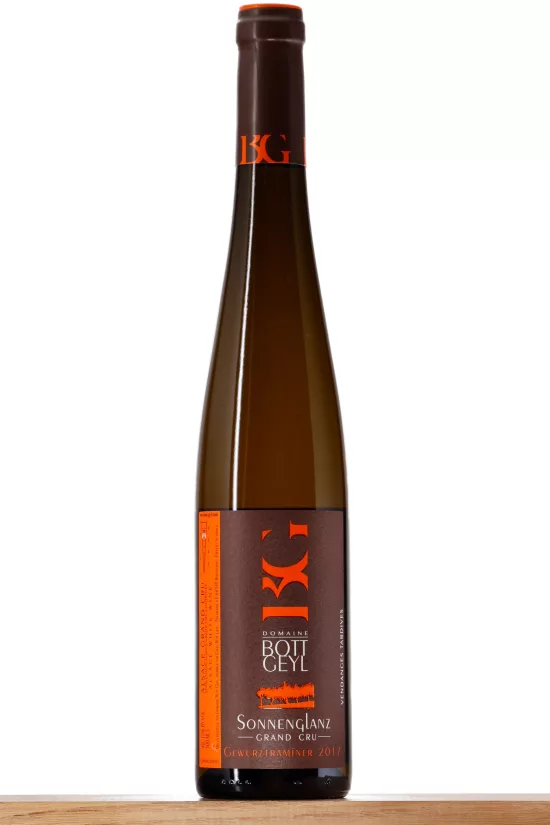


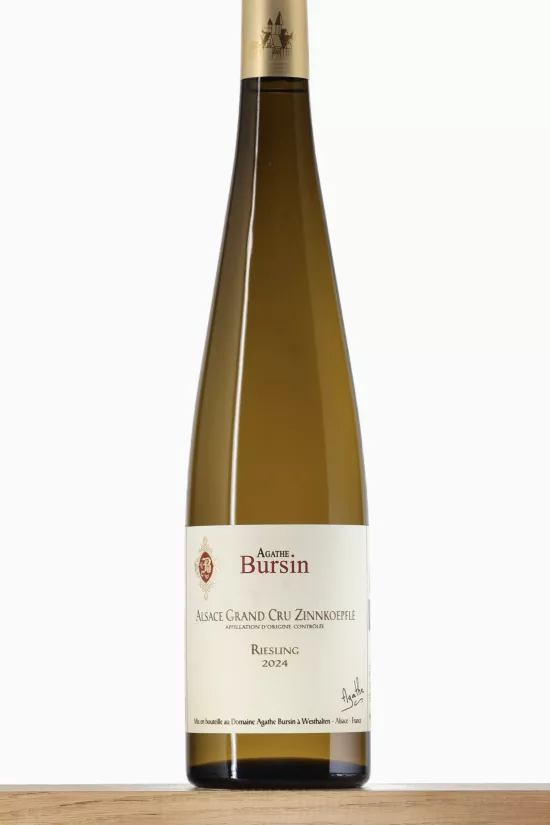

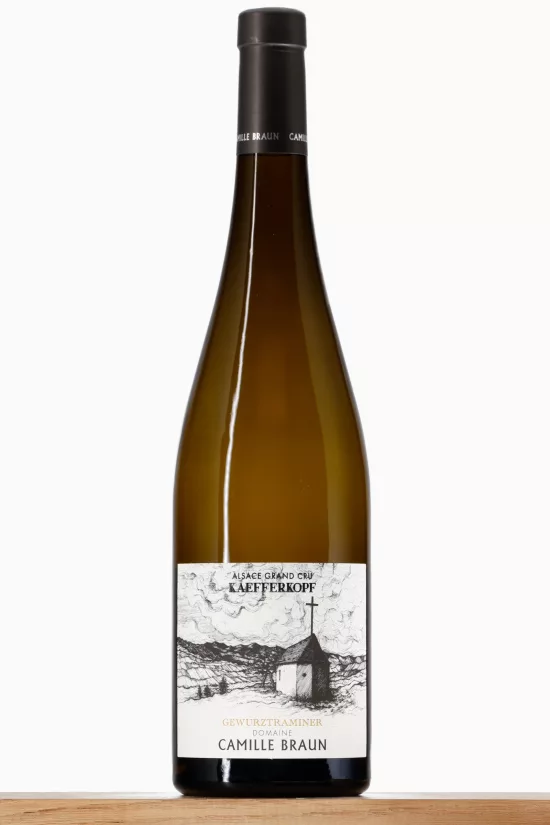



Sold out for now


Filter
Classification
Understanding the classifications
- Grand cru
- The top of the Burgundy hierarchy: an exceptional plot with its own appellation.
Price
Grape
Estate
The grands crus and their terroirs
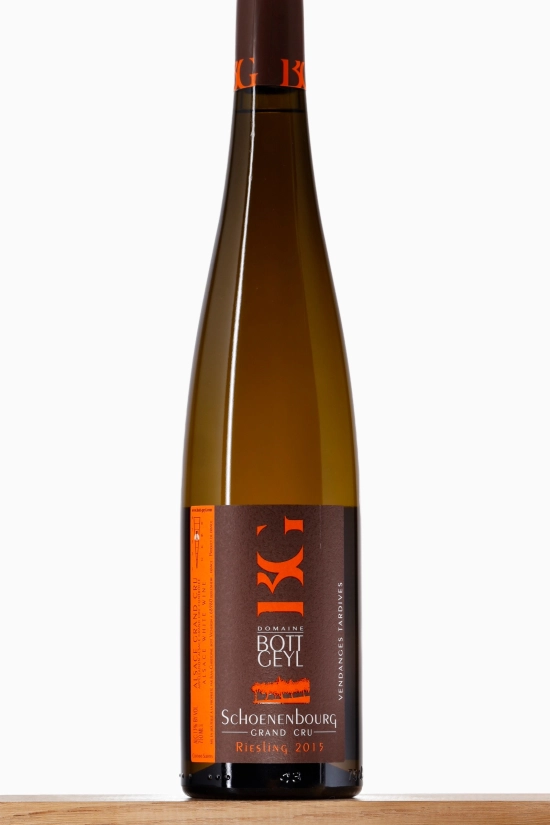
The first grand cru of Alsace, Schlossberg, was recognised in 1975; others followed until 2007, reaching 51 delimited terroirs along the Vosges foothills. Since 2011, each one has been an appellation in its own right, with its own rules. Their names appear on the label: Schlossberg, Rangen, Brand, Hengst, Sommerberg, Schoenenbourg, Rosacker or Kitterlé. Each has its own soil, granite, sandstone, limestone, marl or volcanic rock as at the Rangen de Thann, and its own exposure, often on steep slopes.
The style of the wines
Only four so called noble grapes are allowed, in principle on their own: Riesling, Gewurztraminer, Pinot Gris and Muscat, with a few local exceptions, such as Sylvaner at Zotzenberg. Yields are lower and the harvest is done by hand. The wines gain concentration and precision, and express their soil more than their grape: Riesling cutting and saline on granite, broader on limestone, Gewurztraminer and Pinot Gris deep and spicy. They often keep for ten years and more.
Alsace Grand Cru at the table
Riesling goes with fine fish, pike perch in Riesling, turbot, langoustines or chicken in cream sauce. Gewurztraminer and Pinot Gris, broader, pair with foie gras, duck, spiced cooking and aged cheeses such as Munster. Serve at around 11 °C, decanting a young Riesling.