
Porto
Port is born in the upper Douro valley, in northern Portugal, on schist terraces cut into the hillsides, one of the oldest demarcated vineyards in the world, in 1756, and a… Read more


The region and its terroirs
Port is born in the upper Douro valley, in northern Portugal, on schist terraces cut into the hillsides, one of the oldest demarcated vineyards in the world, in 1756, and a landscape inscribed on the Unesco World Heritage list. The wines were long carried down the river on sailing boats, the rabelos, to the lodges of Vila Nova de Gaia, facing Porto, where many still age. The wine takes its name from this port city, from which it sailed to England.
The style of the wines
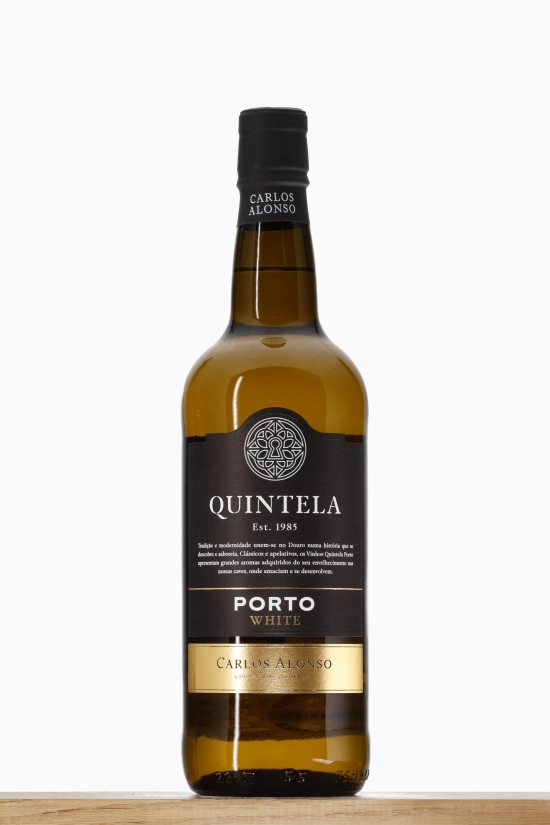
Port is a fortified wine: grape spirit is added to the fermenting must, which keeps part of the grape's sugar. Blending Touriga Nacional, Touriga Franca, Tinta Roriz and other local grapes, it comes in two families. Rubies, aged briefly, keep intense red and black fruit; vintage port, from a single great year, and LBV are its finest expression. Tawnies, aged for a long time in cask, take on an amber colour and notes of walnut, caramel and dried fruit, and often state their average age: 10, 20, 30 or 40 years. There are also white ports.
Port at the table
Ruby and vintage port go with dark chocolate desserts, red fruit and blue cheeses such as Stilton. Tawny pairs with foie gras, walnut and caramel desserts, dried fruit tarts and aged cheeses. White port is drunk chilled as an aperitif. Serve ruby and tawny at around 14 °C, cooler in summer.