
Puligny-Montrachet
Between Meursault and Chassagne, Puligny-Montrachet is the village of great white wine. The village appellation has 17 climats classified as premier cru and four grands crus:… Read more

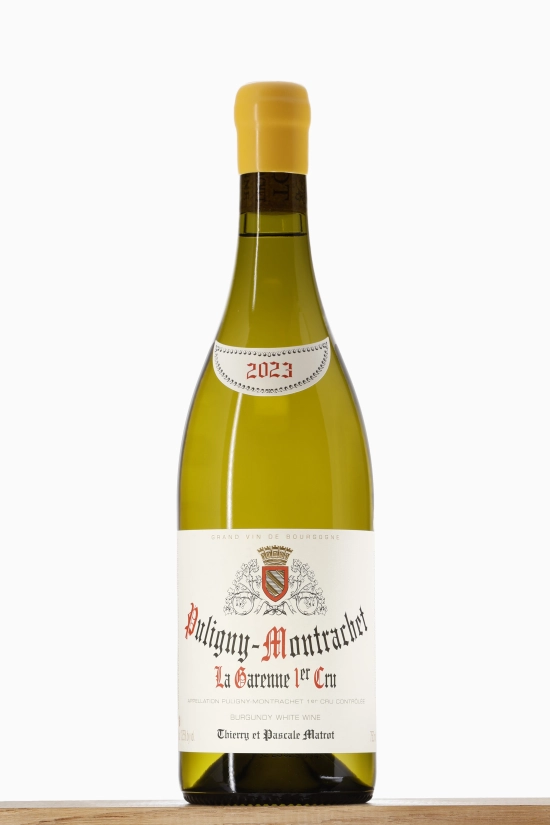
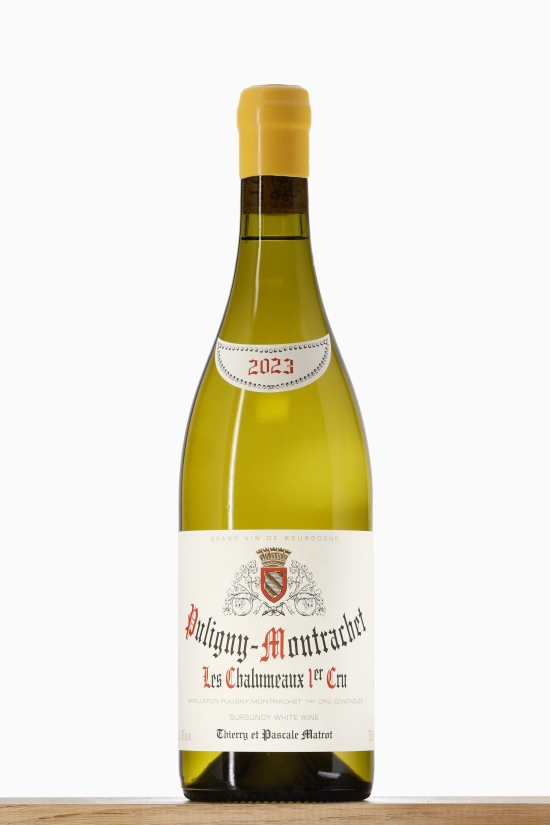
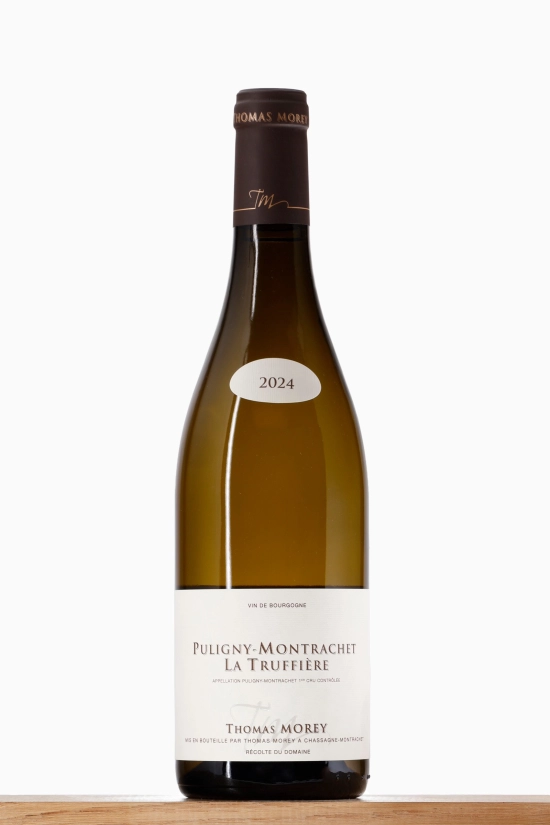
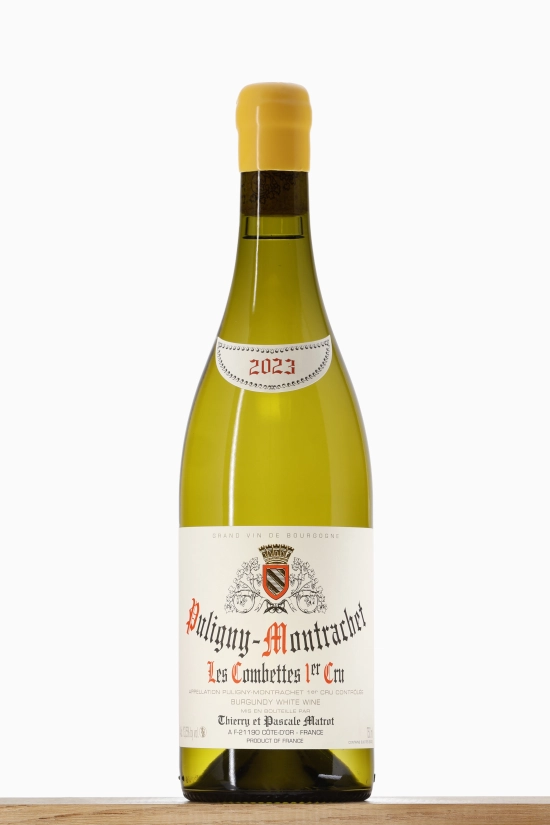
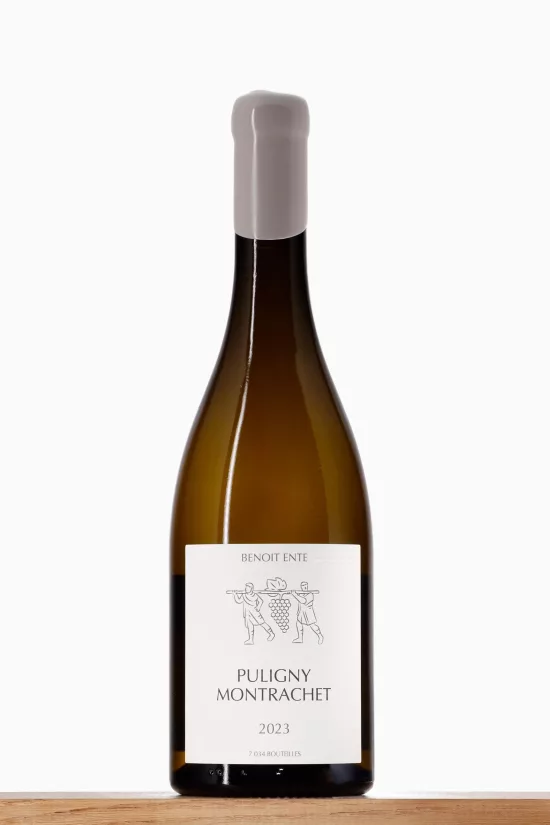
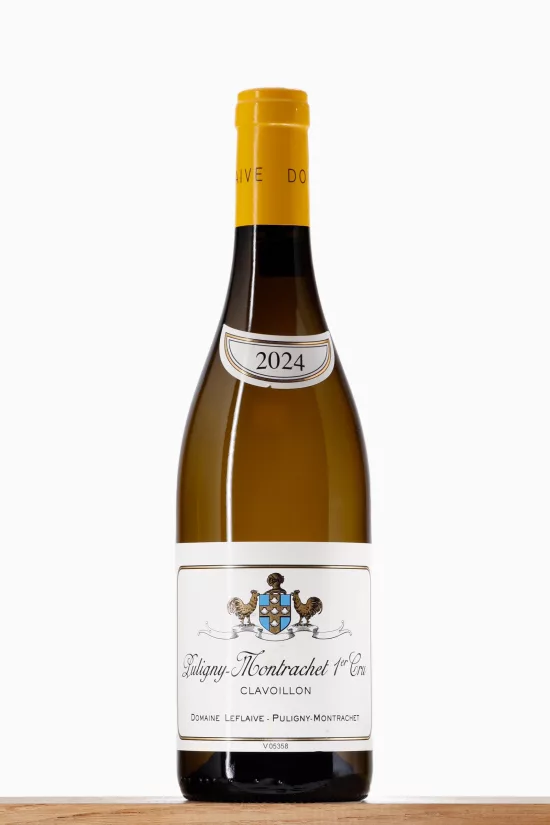
- New
Sold out for now


Filter
Classification
Understanding the classifications
- Premier cru
- A recognised plot within a village, above village level and below grand cru.
- Village
- A wine from a single village, bearing its name.
Price
The village and its climats
Between Meursault and Chassagne, Puligny-Montrachet is the village of great white wine. The village appellation has 17 climats classified as premier cru and four grands crus: Montrachet and Bâtard-Montrachet, shared with Chassagne, and Chevalier-Montrachet and Bienvenues-Bâtard-Montrachet, which lie entirely within Puligny. The premiers crus spread north of the grands crus across the slope: Pucelles, Cailleret, Demoiselles, Folatières, Champ Canet, Combettes, Perrières, Referts and Clavoillon.
The style of the wines
Chardonnay gives wines of great precision here: a pale colour, aromas of white flowers, citrus, almond and flint, and a taut, saline palate rather than a rich one. The climats higher up, Folatières or Champ Canet, are livelier; those lower down, level with Bâtard, such as Pucelles or Combettes, are broader. The premiers crus keep for ten to fifteen years and gain notes of honey and toasted hazelnut. A little Pinot Noir gives rare reds.
Puligny-Montrachet at the table
Its finesse calls for fish and shellfish: sea bass in a salt crust, sole meunière, pan seared scallops or grilled lobster. Older premiers crus go with chicken and morels or veal sweetbreads. With cheese, an aged Comté or a mature goat's cheese. Serve at around 12 °C, not too cold, and decant a young premier cru so it opens up.