
Chassagne-Montrachet
In the south of the Côte de Beaune, Chassagne added the name of Montrachet to its own at the end of the 19th century. The village appellation, recognised in 1937, covers… Read more


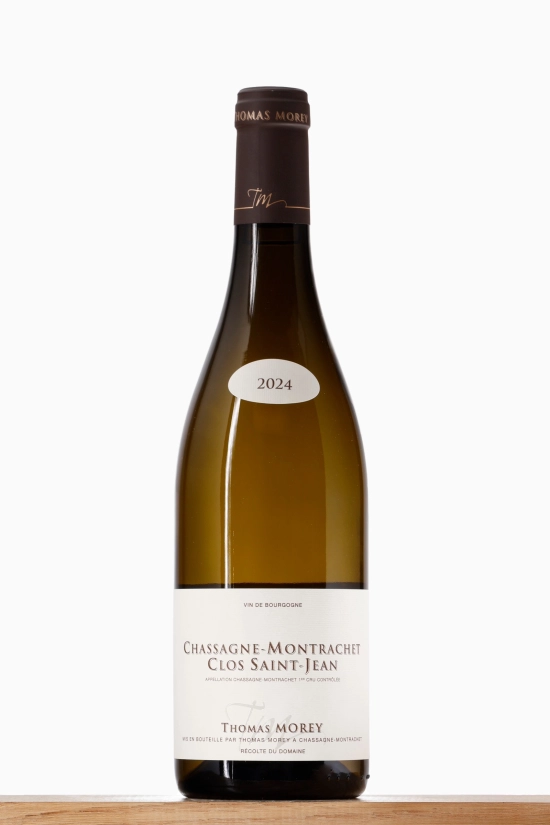
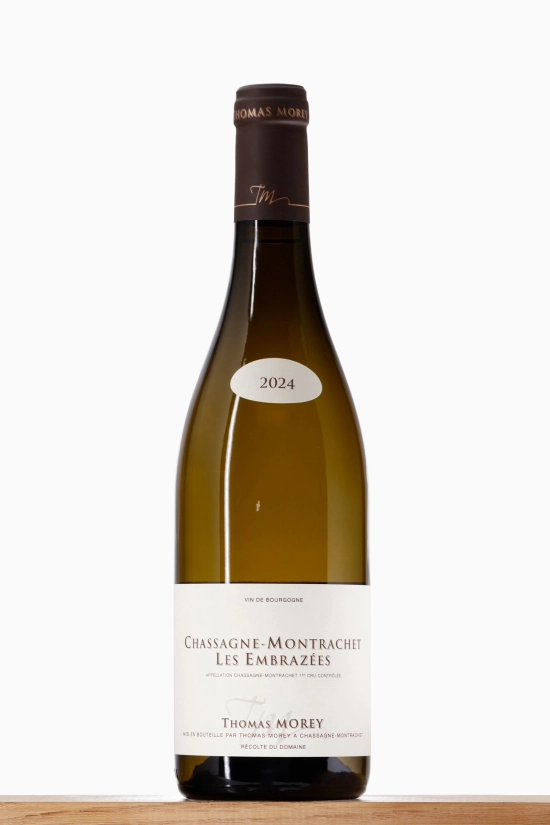
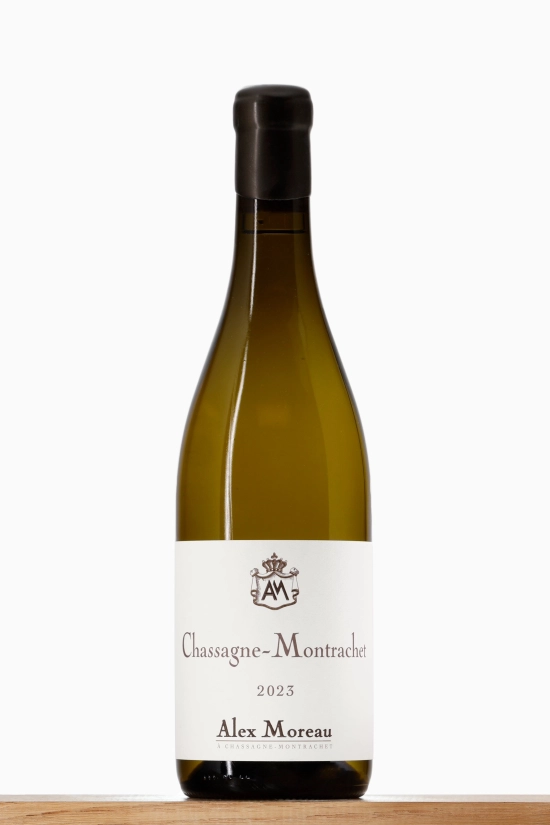

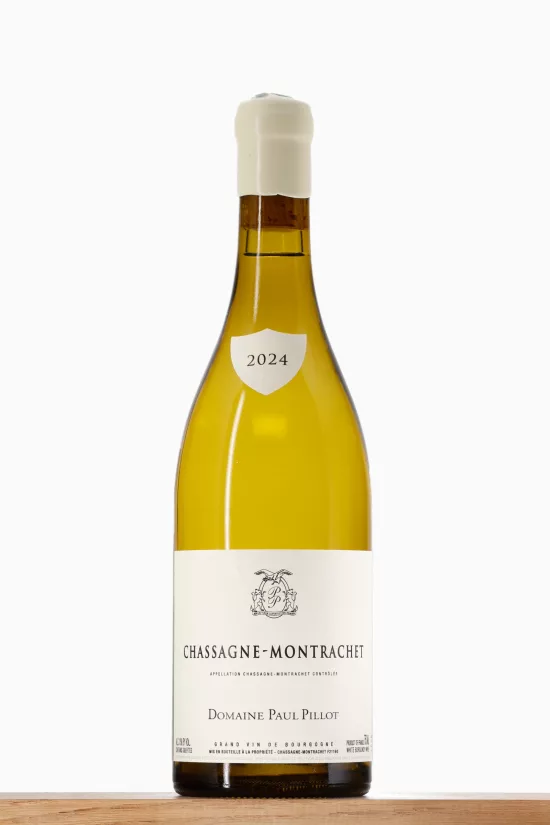
- New
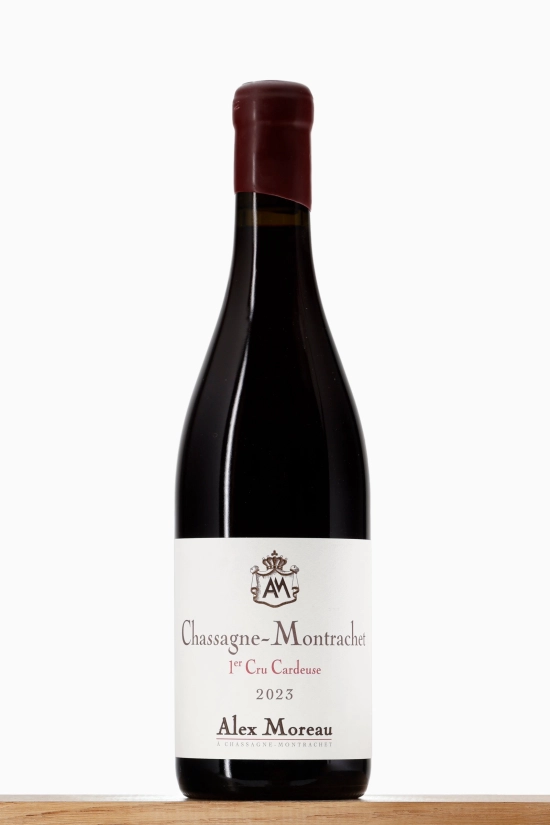
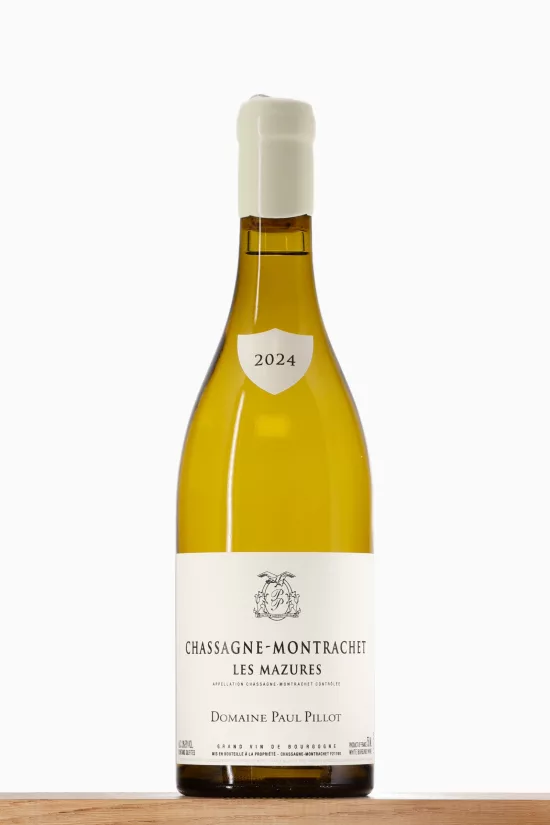
- New
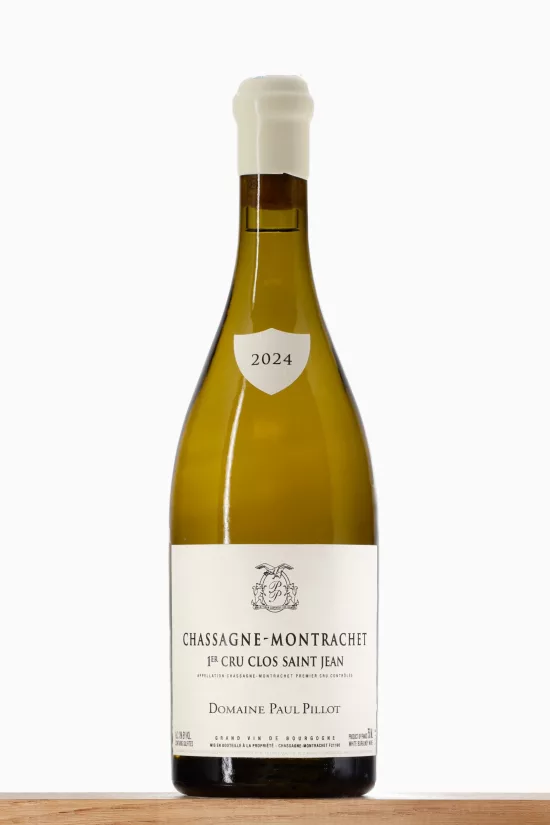
Chassagne-Montrachet Premier Cru
Clos St Jean 2024
Domaine Paul Pillot
- New
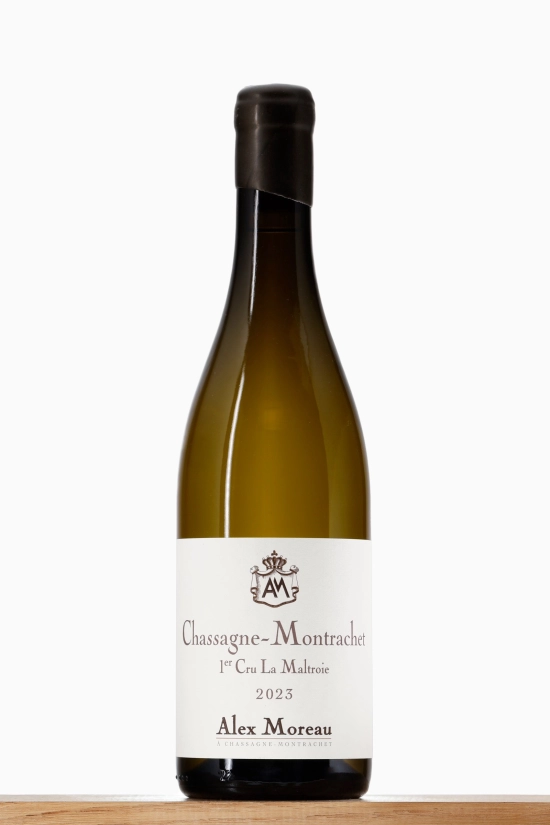
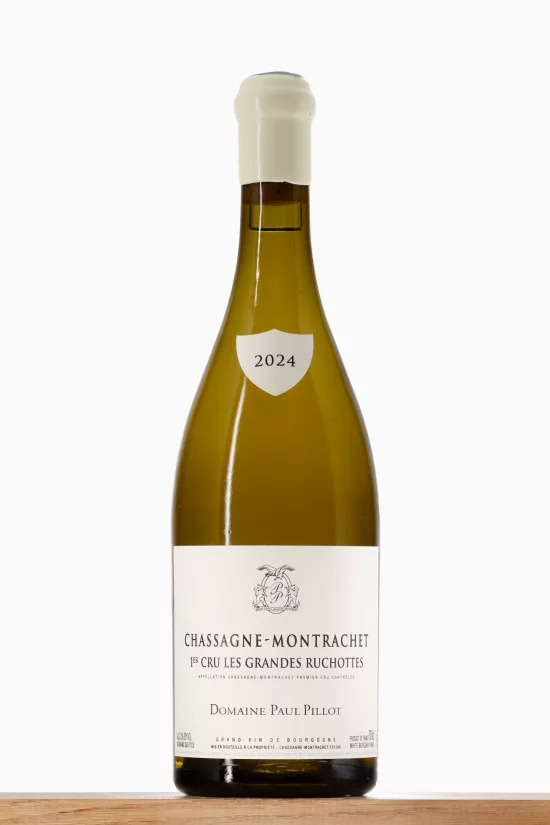
Chassagne-Montrachet Premier Cru
Les Grandes Ruchottes 2024
Domaine Paul Pillot
- New
Sold out for now


Filter
Classification
Understanding the classifications
- Premier cru
- A recognised plot within a village, above village level and below grand cru.
- Village
- A wine from a single village, bearing its name.
Price
Grape
Estate
The village and its climats
In the south of the Côte de Beaune, Chassagne added the name of Montrachet to its own at the end of the 19th century. The village appellation, recognised in 1937, covers Chassagne and part of Remigny. It shares two grands crus with Puligny, Montrachet and Bâtard-Montrachet, and alone holds the small Criots-Bâtard-Montrachet. Some fifty climats are classified as premier cru, among them Morgeot, Caillerets, Grandes Ruchottes, La Romanée, Chenevottes, Vergers, La Maltroie and Clos Saint-Jean.
The style of the wines
Long a land of red wine, Chassagne is now best known for its Chardonnay whites: broad and fruity, with pear, ripe citrus and hazelnut, and a mineral tension on the stony climats at the top of the slope, such as Caillerets or Ruchottes. The Pinot Noir reds, more discreet, have flesh and notes of cherry and earth, especially in Morgeot and Clos Saint-Jean. The white premiers crus keep for ten years and more.
Chassagne-Montrachet at the table
The white goes with fine fish and shellfish: turbot with beurre blanc, langoustines, lobster or crayfish. Its premiers crus also suit pan fried foie gras and Bresse chicken in cream sauce. The red pairs with veal, roast poultry and soft cheeses. Serve the white at around 12 °C and the red at about 15 °C.