BURGUNDY | CHAMILLY (Chateau de)
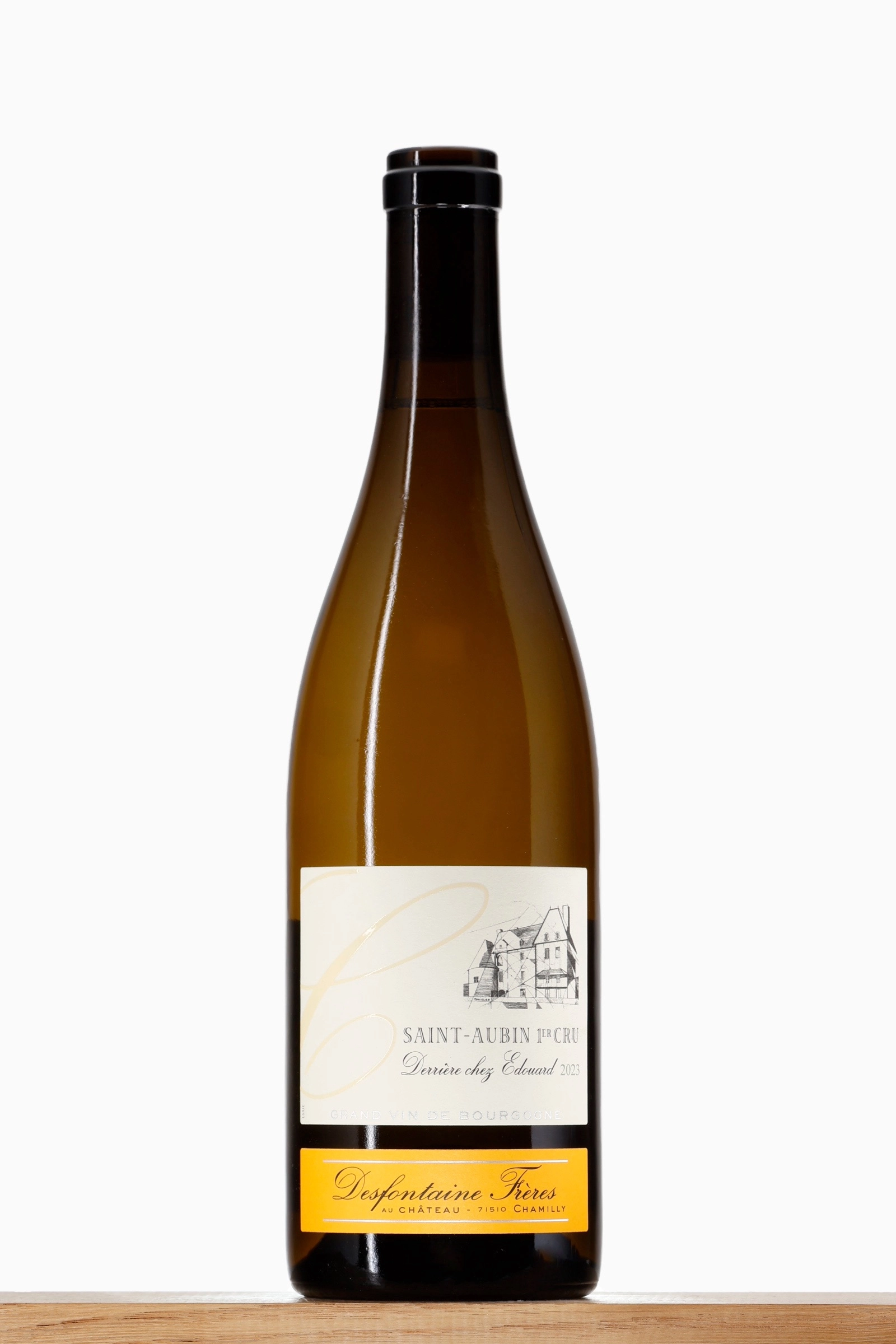
St Aubin 1er cru Derrière chez Edouard 2023 Chateau de Chamilly
€69.00


-
 Master Cellar Expert Selection
Bottles chosen with passion, directly from the winemakers
-
 Zero Breakage Guarantee
Every order carefully packed, each bottle individually protected
-
 Tax-Free / Worldwide Shipping
VAT automatically deducted at checkout for non-EU customers, Global Blue in-shop
Product Details
- Format
- 75 cl
- Region
- Bourgogne
- Vintage
- 2023
- Classification
- PREMIER CRU
- Appellation
- SAINT AUBIN
- Alcohol
- 13°
- Colour
- White
- Country
- FRANCE
- Vineyard site
- DERRIERE CHEZ EDOUARD
- Taster
- Adrien
Ripe white fruit, citrus and fresh minerality. A precise and elegant Premier Cru Saint-Aubin from Château de Chamilly, with fine composure.
The Saint-Aubin 1er Cru Derrière chez Édouard 2023 from Château de Chamilly is a confidential cuvée of 900 bottles, from vines planted 60 years ago. Roundness, substance and breeding, it demonstrates that Saint-Aubin remains a great appellation still within reach. A Chardonnay that offers both volume and delicacy.
Terroir and vines
The Derrière chez Édouard climat sits at 320 metres altitude on an east and south-east facing slope. The argilo-calcareous soil comprises pale grey marly clays that give the wine volume and refinement. Chardonnay vines, around 60 years old, yield 900 bottles. Grapes are transported in small containers to preserve their integrity. Fermentation occurs with indigenous yeasts, followed by 16 to 18 months ageing in 228-litre Burgundy casks with restrained new wood. Malolactic fermentation typically unfolds in spring, with bâtonnage guided by tasting to nourish the wine while maintaining precision.
Tasting profile
Pale gold in the glass. The style is that of a classical great white Burgundy, with apple, citrus and subtle toasted notes, wrapped in creamy texture and refreshing acidity. The palate is round and full-bodied, with fine pedigree, retaining precision despite its volume. The grey clays impart a delicacy that carries through the finish.
The domaine
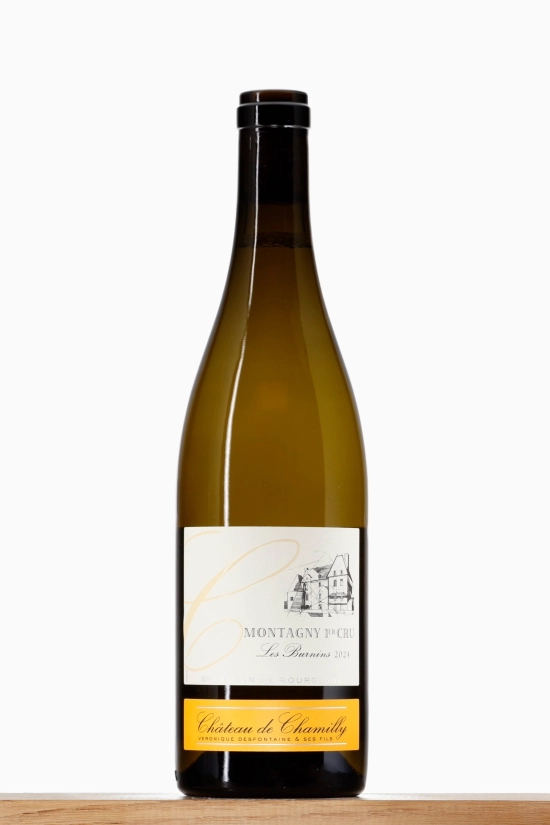
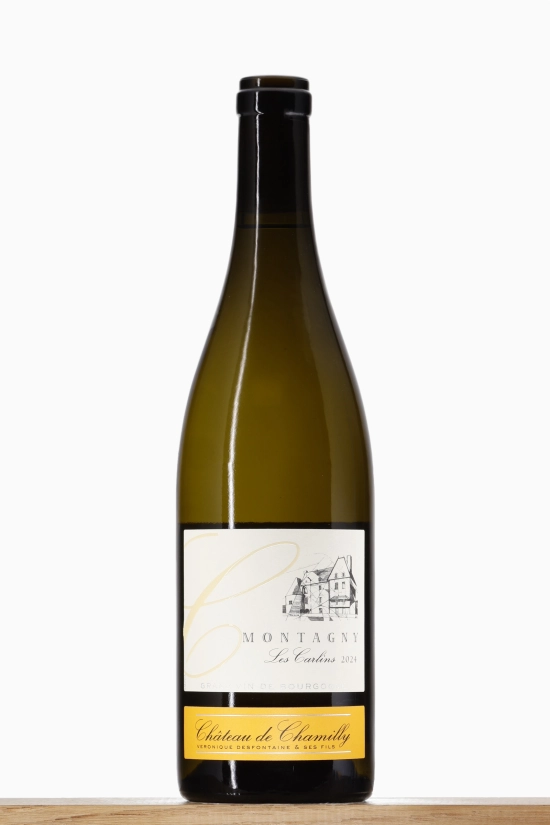
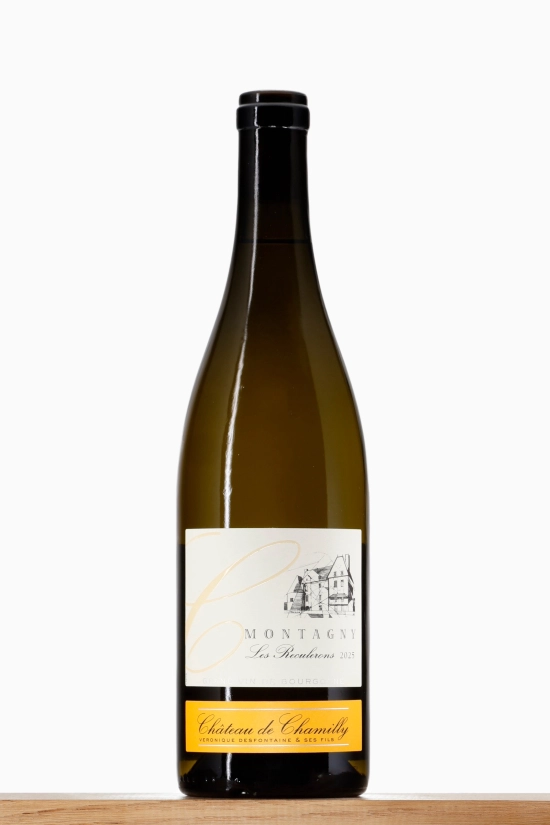
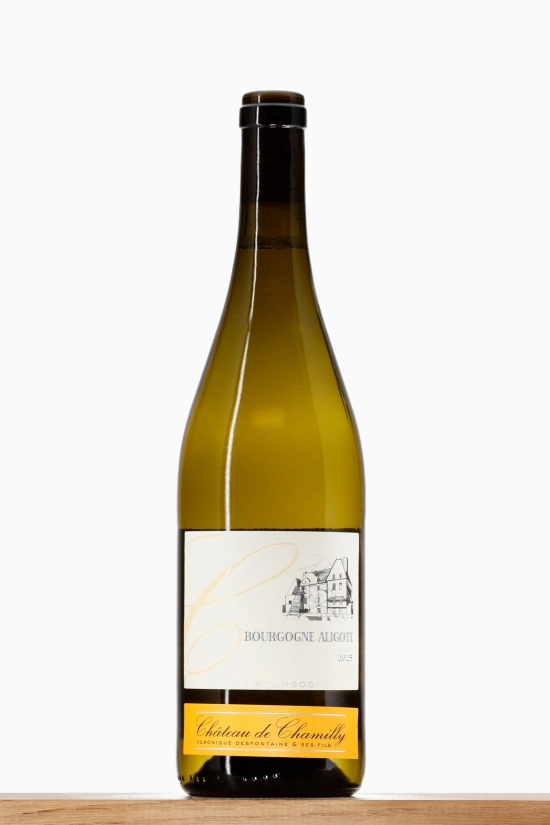
Château de Chamilly is a charming 17th-century château north of Mercurey, founded by the Marquis de Chamilly. Owned by the Desfontaine family since 1840, it has been run since 1995 by Véronique Desfontaine, assisted since 2007 by her two sons, Arnaud and Xavier. Production centres on Mercurey and Montagny appellations. Each climat is vinified and bottled separately, to express the subtle diversity of styles created by differing exposures and soils.
Food pairing
This Saint-Aubin pairs beautifully with white meats, frogs' legs or veal blanquette in cream sauce. Served around 12°C, it can be enjoyed now for its roundness, or will gain finesse after a few years of cellaring.