
Gevrey-Chambertin
Gevrey-Chambertin opens the Route des Grands Crus south of Dijon. The village appellation, created in 1936, covers Gevrey and part of Brochon, and produces red wine only. It has… Read more
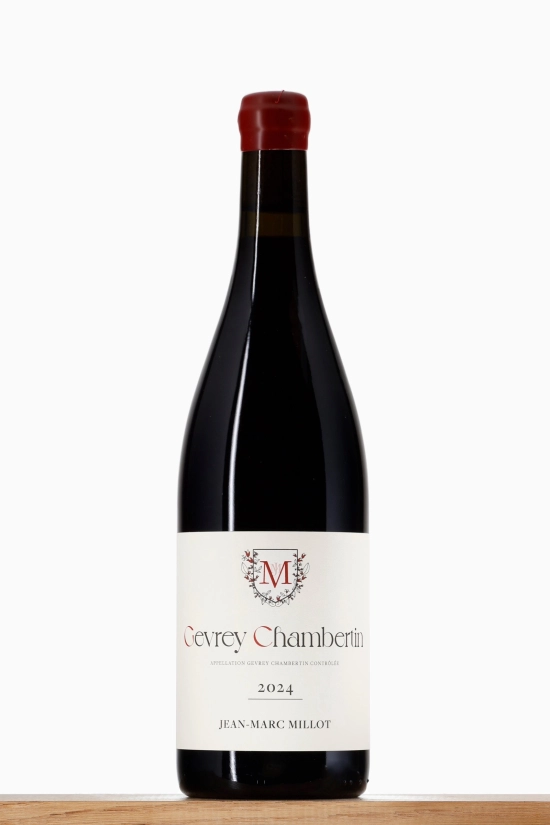
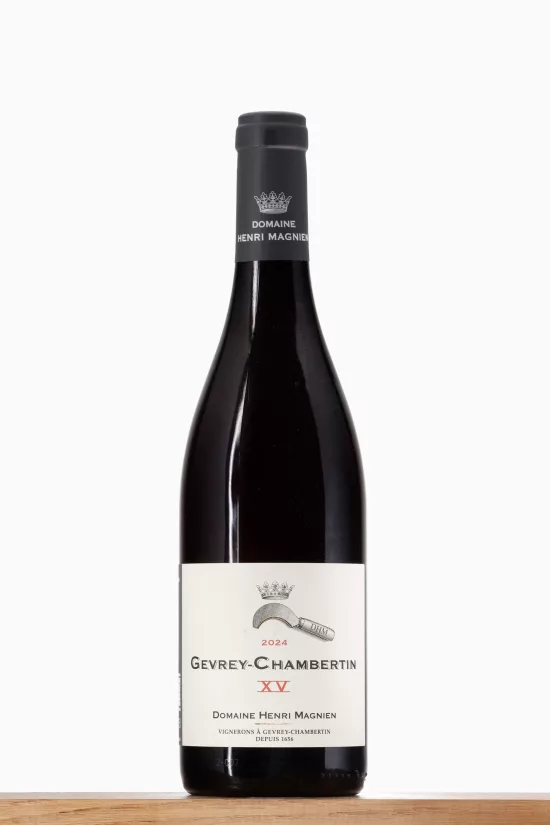

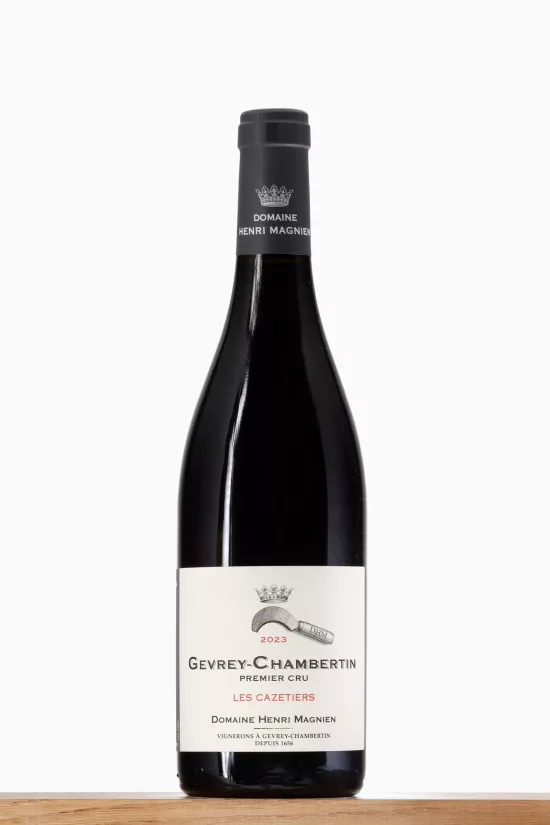


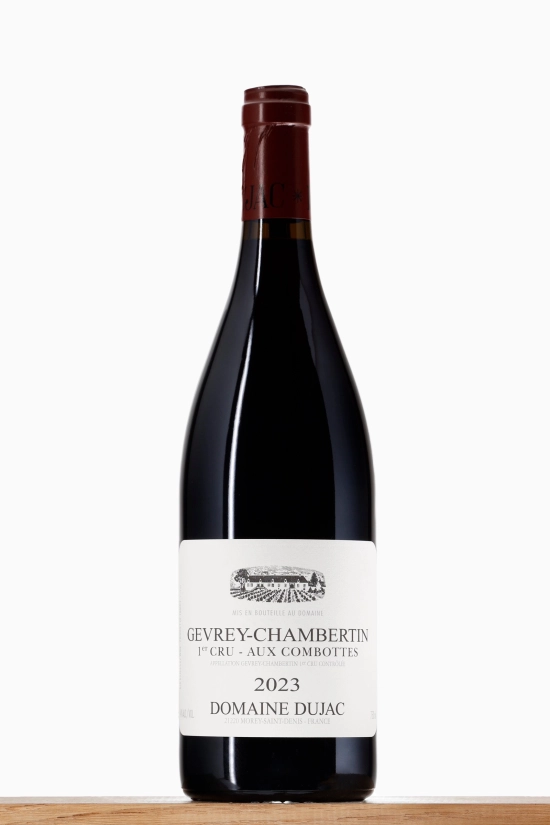
Sold out for now




Filter
Classification
Understanding the classifications
- Premier cru
- A recognised plot within a village, above village level and below grand cru.
- Village
- A wine from a single village, bearing its name.
Price
Estate
The village and its climats
Gevrey-Chambertin opens the Route des Grands Crus south of Dijon. The village appellation, created in 1936, covers Gevrey and part of Brochon, and produces red wine only. It has 9 grands crus, each with its own appellation: Chambertin, Chambertin-Clos de Bèze, Chapelle, Charmes, Griotte, Latricières, Mazis, Mazoyères and Ruchottes, all lined up south of the village. Its 26 premiers crus are shared between that same sector and the Côte Saint-Jacques to the north, where Clos Saint-Jacques, Cazetiers and Lavaut Saint-Jacques enjoy a southeast exposure at the mouth of the Combe de Lavaux.
The style of the wines
Pinot Noir finds its most structured expression of the Côte de Nuits here. The wines have a deep colour, aromas of black fruit, liquorice and spice, and a tight tannic frame that calls for a few years in the cellar. With time come undergrowth, truffle and leather. The premiers crus of the Côte Saint-Jacques combine that power with lovely freshness; the grands crus, Chambertin first among them, are among the longest lived wines of Burgundy.
Gevrey-Chambertin at the table
A Gevrey calls for dishes with character: coq au vin, jugged hare, a roast rib of beef or braised beef cheek. Furred game, venison or wild boar, suits the more mature premiers crus. With cheese, a well ripened Époisses stands up to wines a few years old. Serve it at around 16 °C, and a young village wine is gladly decanted an hour before the meal.