
Morey-Saint-Denis
Between Gevrey-Chambertin and Chambolle-Musigny, Morey-Saint-Denis is a small village with an immense heritage. The village appellation, created in December 1936, has 20 premiers… Read more
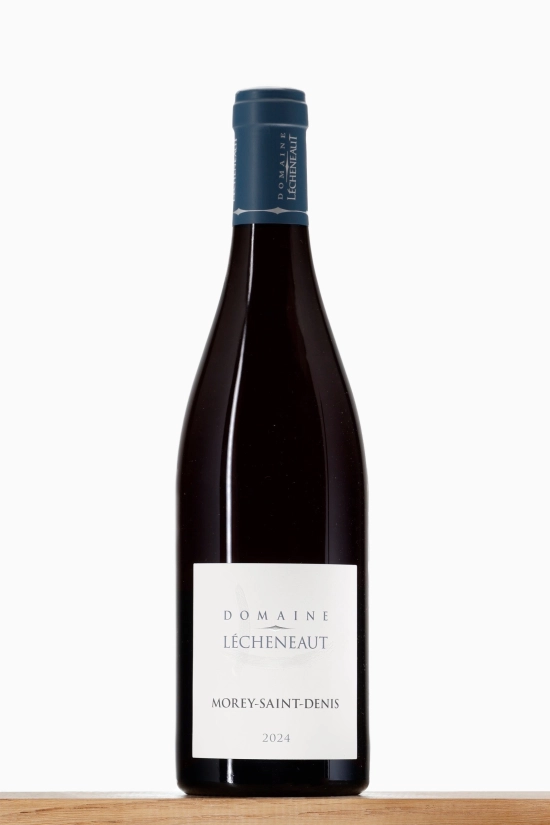
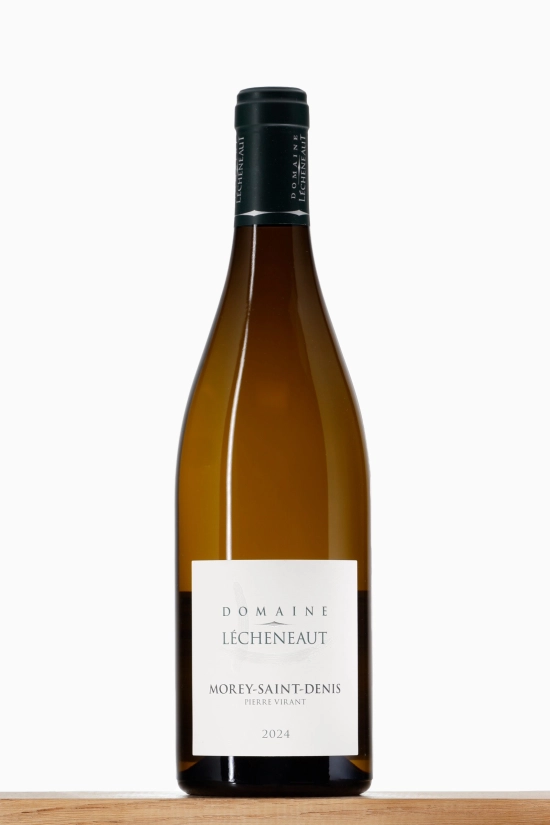
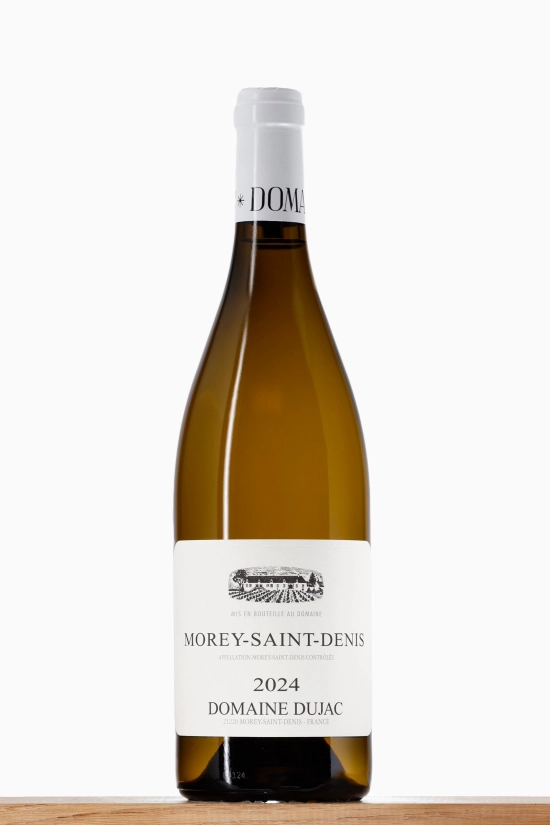
- New
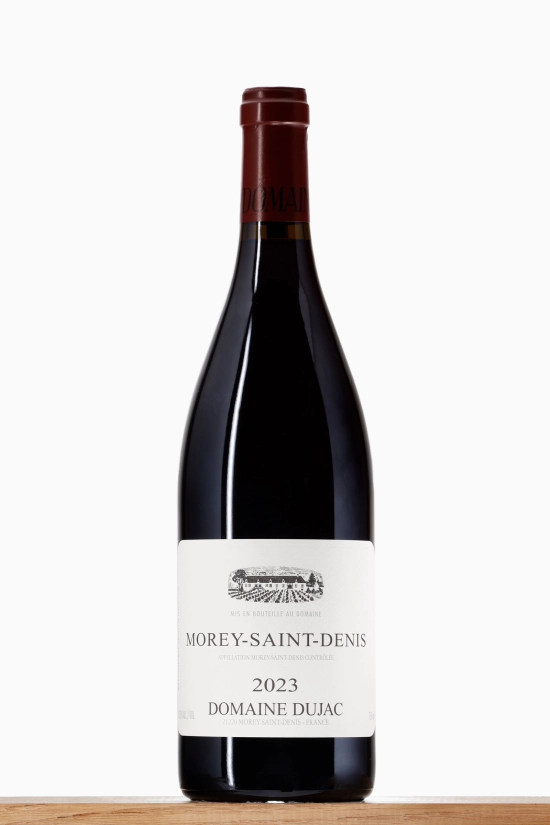



Sold out for now




Filter
Classification
Understanding the classifications
- Premier cru
- A recognised plot within a village, above village level and below grand cru.
- Village
- A wine from a single village, bearing its name.
Price
Grape
Estate
The village and its climats
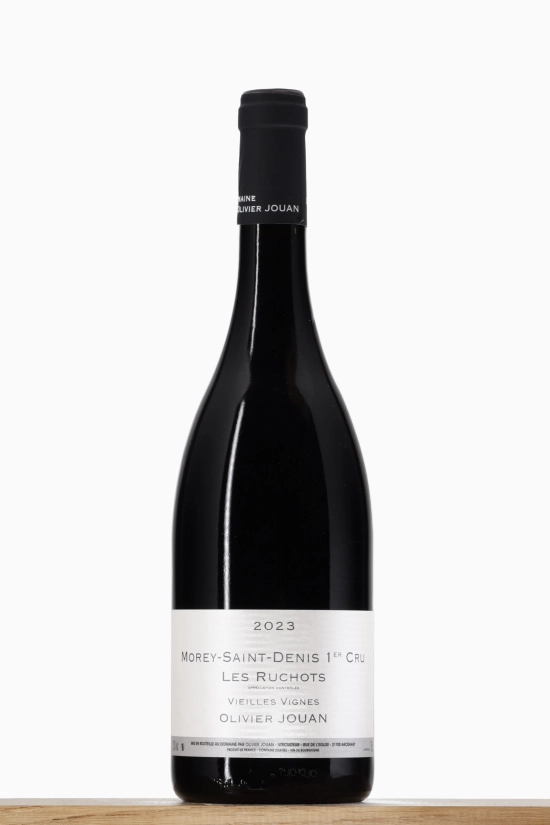
Between Gevrey-Chambertin and Chambolle-Musigny, Morey-Saint-Denis is a small village with an immense heritage. The village appellation, created in December 1936, has 20 premiers crus and four grands crus of its own: Clos de la Roche, the largest, Clos Saint-Denis, Clos des Lambrays, classified in 1981, and Clos de Tart, never divided since the nuns of the Abbey of Tart founded it in the 12th century. A small part of Bonnes-Mares also lies within the commune. Among the premiers crus: Les Ruchots, Les Millandes, Monts Luisants, Clos des Ormes and Les Charrières.
The style of the wines
Morey takes after both its neighbours: the structure and depth of Gevrey, and a share of the finesse of Chambolle. The reds have aromas of black cherry, violet and spice, a dense texture and tannins more polished than those of Gevrey. Clos de la Roche is considered the most powerful of the village's grands crus, Clos Saint-Denis the most refined. A few rare whites, such as those from Monts Luisants, recall that the top of the slopes once grew white grapes.
Morey-Saint-Denis at the table
A Morey goes with red meat and full flavoured poultry: roast duck with cherries, a saddle of lamb, guinea fowl with mushrooms or beef fillet with ceps. The more mature premiers crus enjoy partridge or pheasant. With cheese, Cîteaux or Ami du Chambertin work well. Serve it at around 16 °C.