
Pommard
Between Beaune and Volnay, Pommard is one of the most famous names in Burgundy. The appellation produces red wine only and has no grand cru, but 28 climats classified as premier… Read more



Sold out for now


Filter
Classification
Understanding the classifications
- Premier cru
- A recognised plot within a village, above village level and below grand cru.
- Village
- A wine from a single village, bearing its name.
Price
The village and its climats
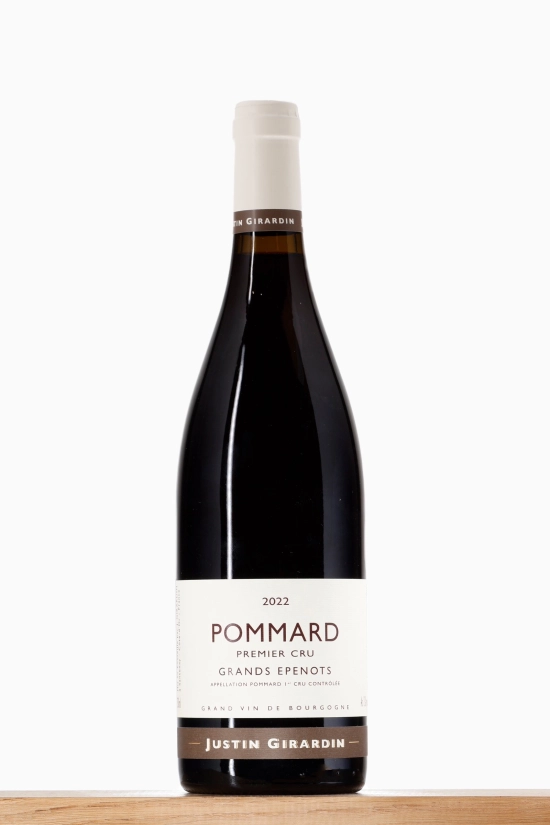
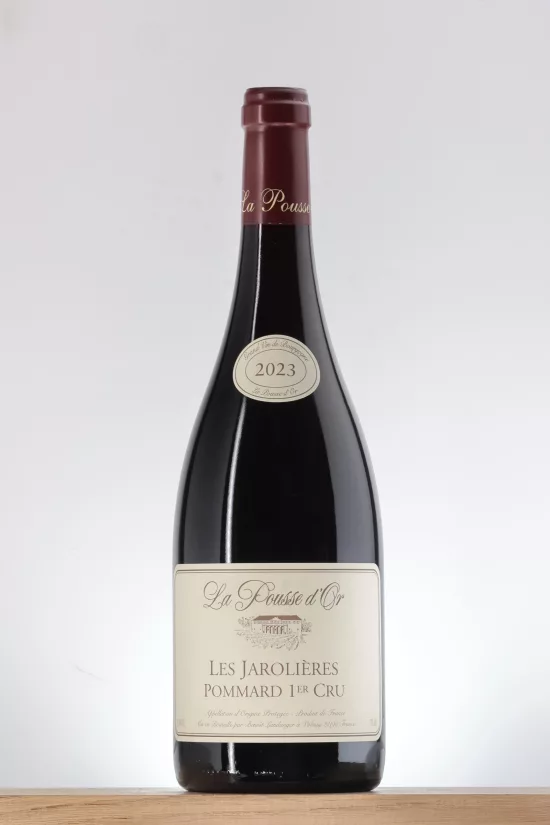
Between Beaune and Volnay, Pommard is one of the most famous names in Burgundy. The appellation produces red wine only and has no grand cru, but 28 climats classified as premier cru, in the middle of the slope. Two groups stand out: to the south, towards Volnay, Rugiens, whose name evokes the rusty colour of an iron rich soil; to the north, towards Beaune, Grands and Petits Épenots, with Clos des Épeneaux. Around them lie Pézerolles, Jarolières, Fremiers, Arvelets and Clos Blanc.
The style of the wines
The clay and limestone soils give Pommard reds of structure: a dark colour, aromas of black fruit, blackcurrant, cherry and spice, dense substance and firm tannins, sometimes austere in youth. They need at least five years in the cellar to open, more for Rugiens, more powerful than Épenots, known as suppler and more perfumed. With age come undergrowth, leather and truffle.
Pommard at the table
This is a wine for meat: boeuf bourguignon, a daube, a rib of beef, a leg of lamb or furred game. Mature premiers crus pair with venison and wild boar. With cheese, it stands up to Époisses, Langres, Soumaintrain or an old Comté. Serve at around 16 °C, and decant a young wine an hour before the meal.