
Chablis
In the far north of Burgundy, in the Yonne, the Chablis vineyard spreads on both sides of the Serein. It produces white wine only, from Chardonnay, at four levels of appellation:… Read more


Sold out for now




Filter
Classification
Understanding the classifications
- Grand cru
- The top of the Burgundy hierarchy: an exceptional plot with its own appellation.
- Premier cru
- A recognised plot within a village, above village level and below grand cru.
- Village
- A wine from a single village, bearing its name.
Price
The village and its climats
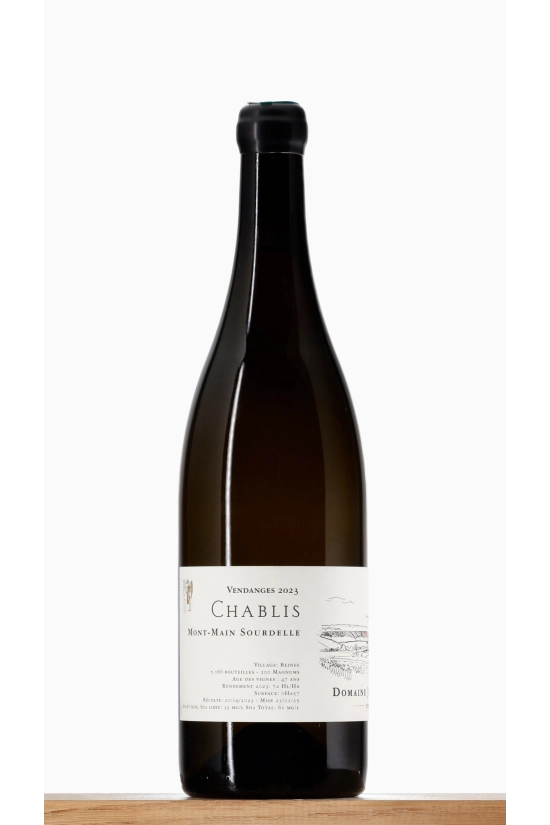
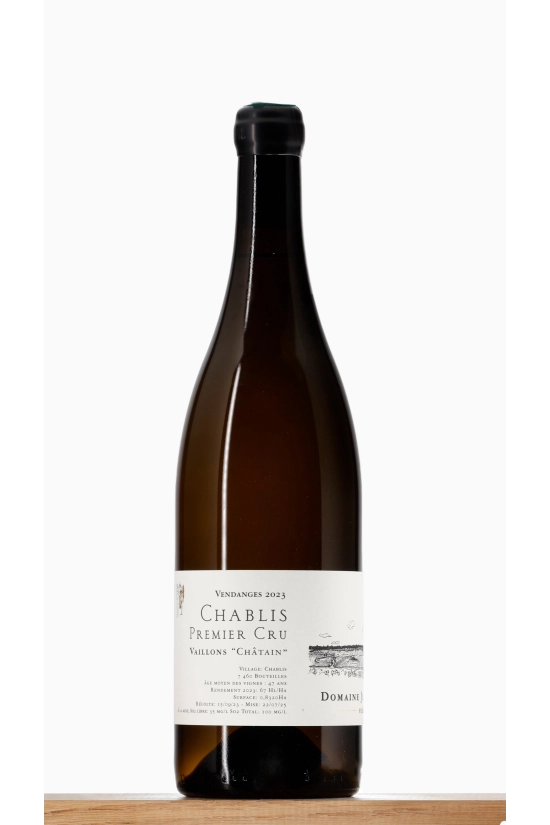
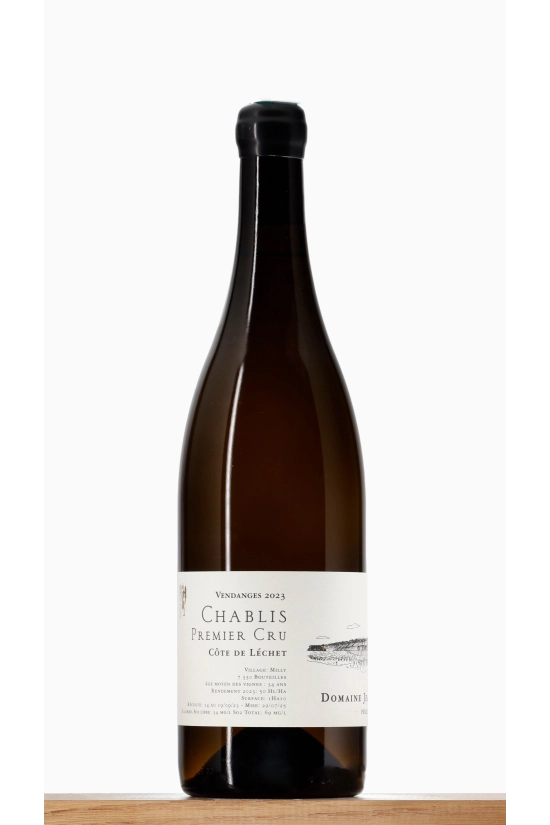
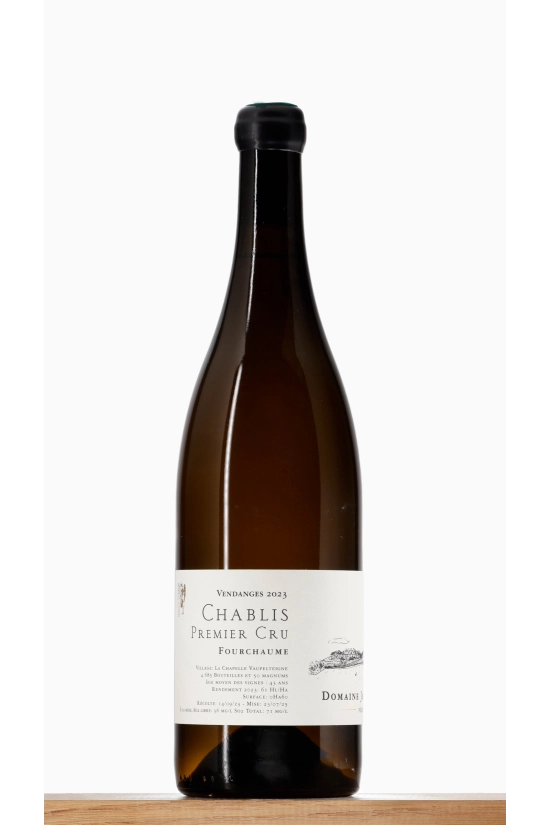
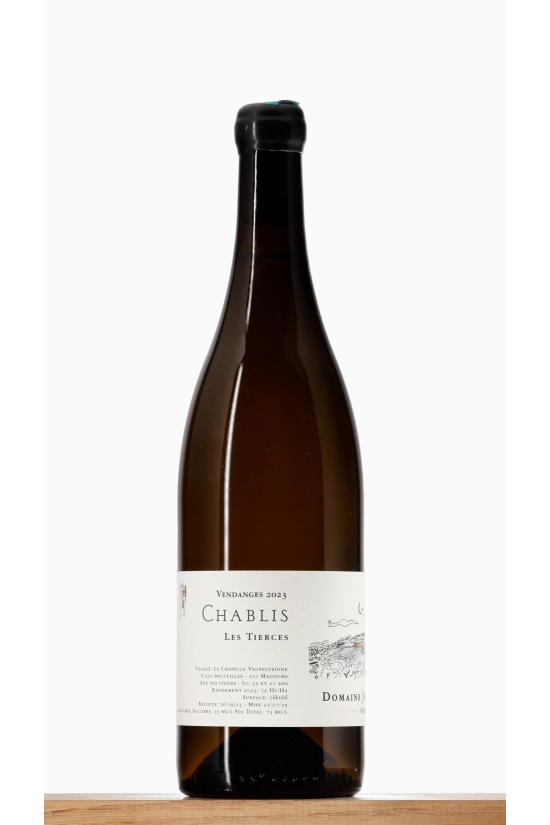
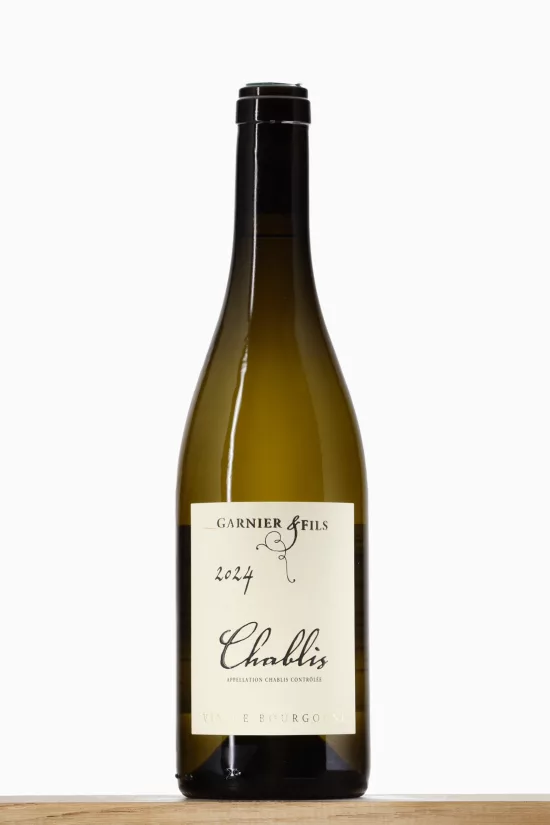
In the far north of Burgundy, in the Yonne, the Chablis vineyard spreads on both sides of the Serein. It produces white wine only, from Chardonnay, at four levels of appellation: Petit Chablis, Chablis, Chablis premier cru and Chablis grand cru. Some forty climats classified as premier cru climb both banks: Montée de Tonnerre, Mont de Milieu and Fourchaume on the right bank; Vaillons, Montmains and Côte de Léchet on the left bank. The seven climats of the grand cru, from Les Clos to Preuses, occupy a single hill facing the town.
The style of the wines
Kimmeridgian soil, marl and limestone rich in tiny fossil oysters, and a cool climate give the wines of Chablis their signature: a pale colour with green glints, aromas of lemon, green apple, white flowers and flint, a cutting acidity and a saline finish. The premiers crus of the right bank, facing southwest, are broader; those of the left bank are tauter. The premiers crus keep for five to ten years and gain notes of honey and mushroom.
Chablis at the table
Chablis is the companion of oysters, seafood and snails. It also goes with grilled fish, sole meunière, salmon, Chablis andouillette or hot ham. The premiers crus pair with lobster, scallops and chicken in cream sauce. With cheese, Chaource or Soumaintrain. Serve at around 11 °C.