
Meursault
Meursault lies at the heart of the Côte de Beaune, between Volnay to the north and Puligny-Montrachet to the south. The village appellation dates from 1937 and also takes in the… Read more



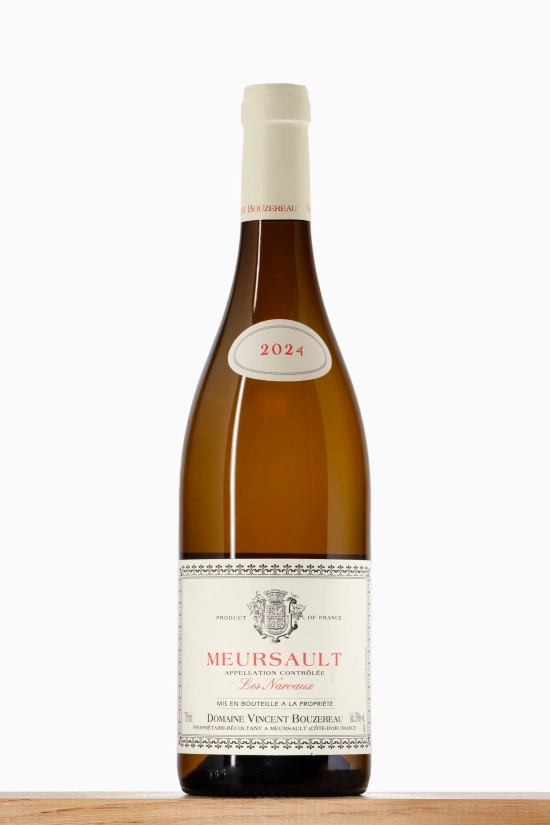

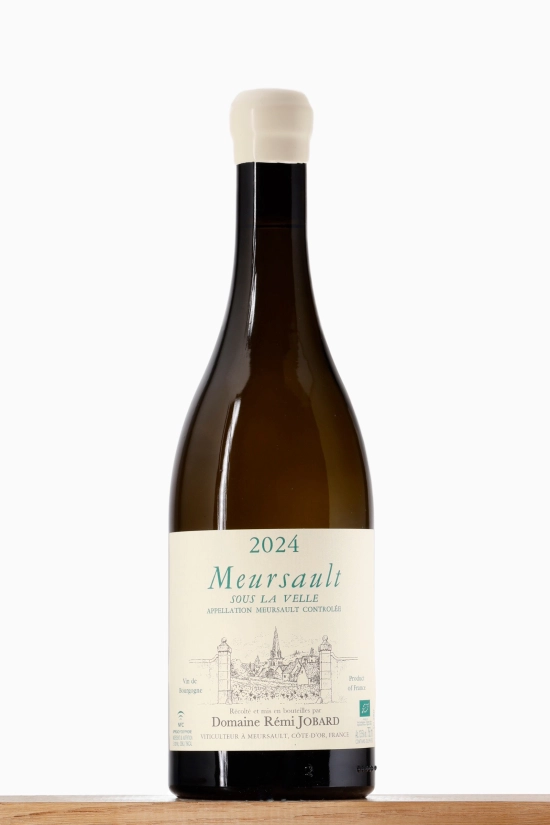
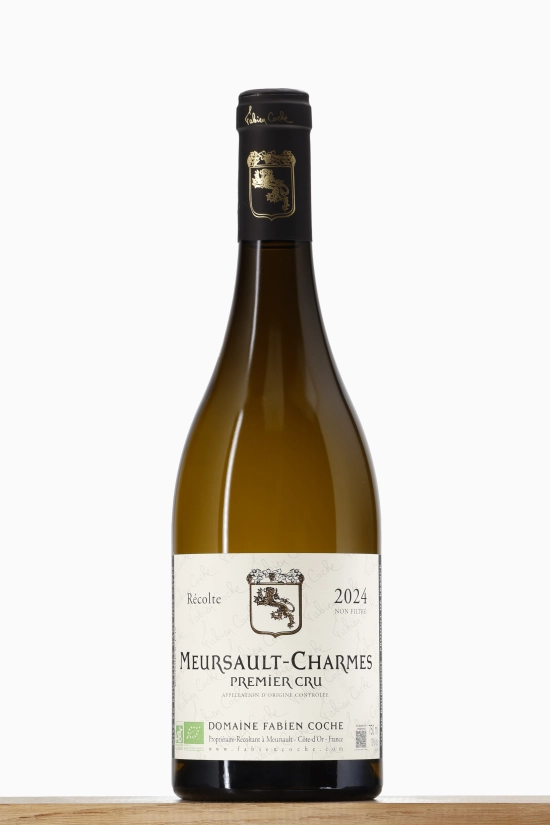
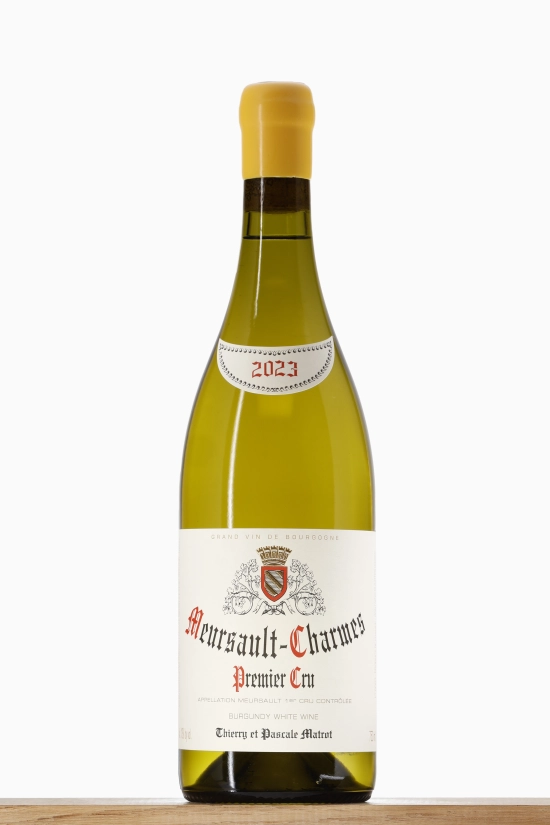
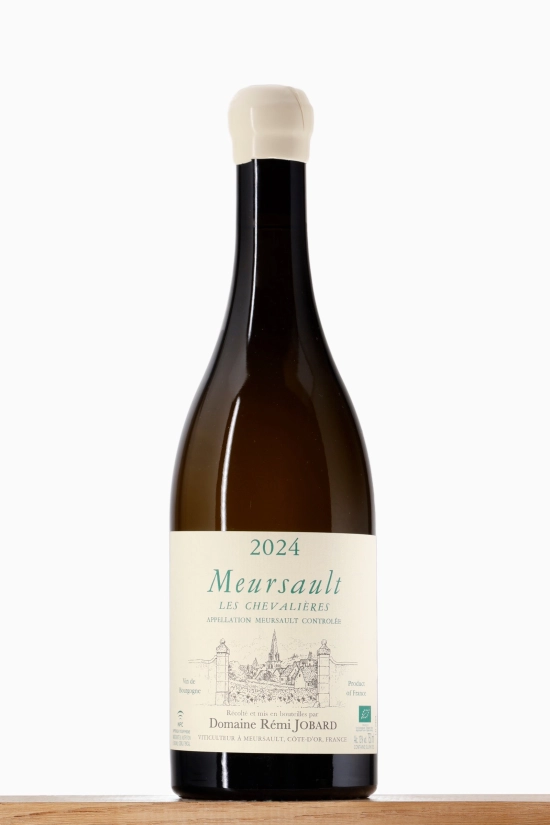
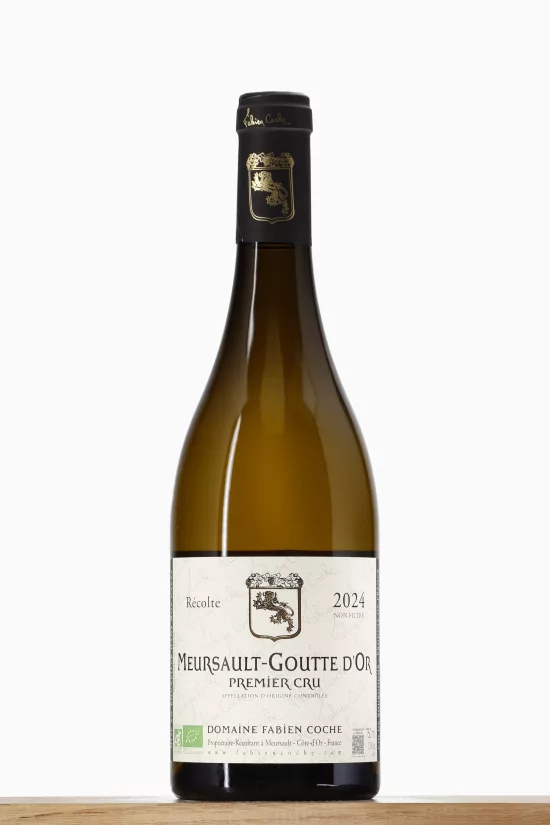
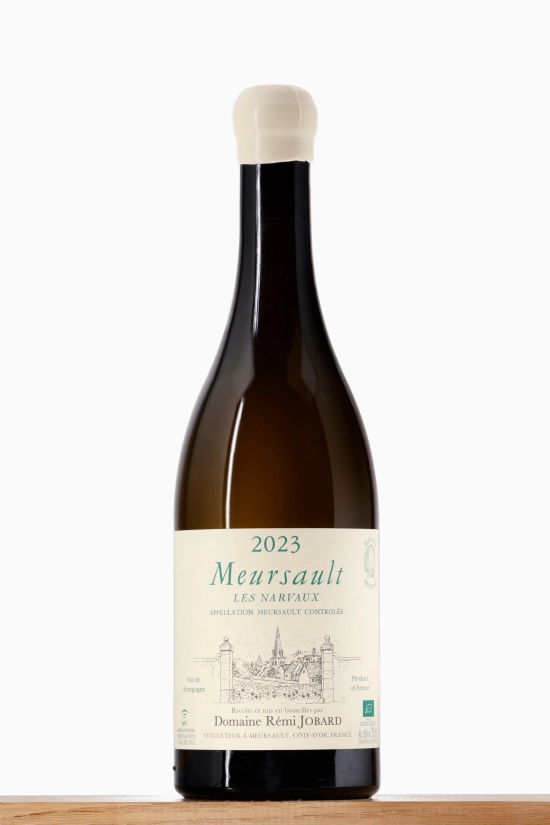
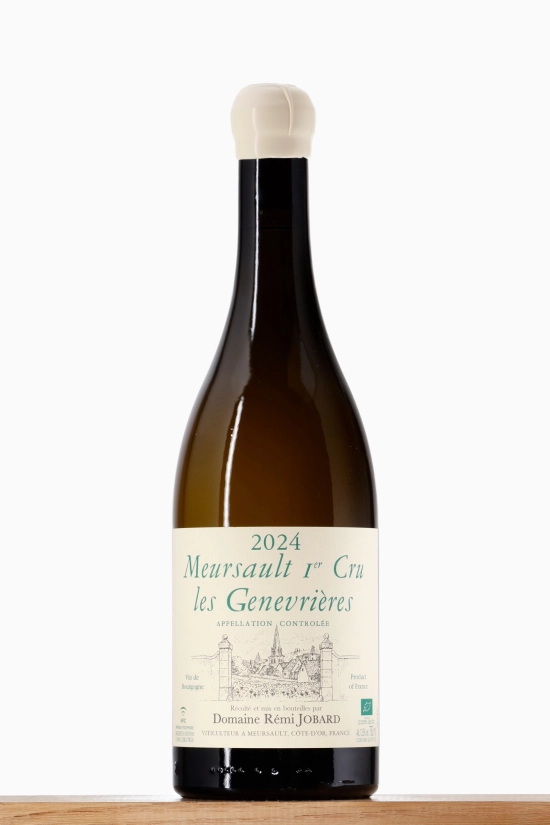
- New
Sold out for now



Filter
Classification
Understanding the classifications
- Premier cru
- A recognised plot within a village, above village level and below grand cru.
- Village
- A wine from a single village, bearing its name.
Price
Grape
Estate
The village and its climats
Meursault lies at the heart of the Côte de Beaune, between Volnay to the north and Puligny-Montrachet to the south. The village appellation dates from 1937 and also takes in the hamlet of Blagny. It has no grand cru, but 19 climats classified as premier cru, set halfway up the slope: Perrières and Charmes towards Puligny, Genevrières, then Poruzots, Bouchères and Gouttes d'Or closer to the village. Higher up the hill and around the village, the climats of the village appellation often appear on the label: Narvaux, Tesson, Tillets, Chevalières, Luchets or Clos de Mazeray.
The style of the wines
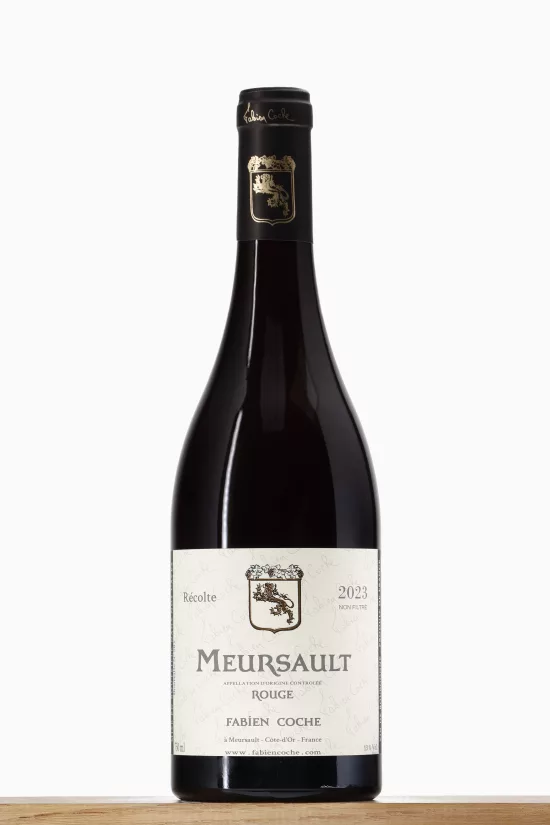
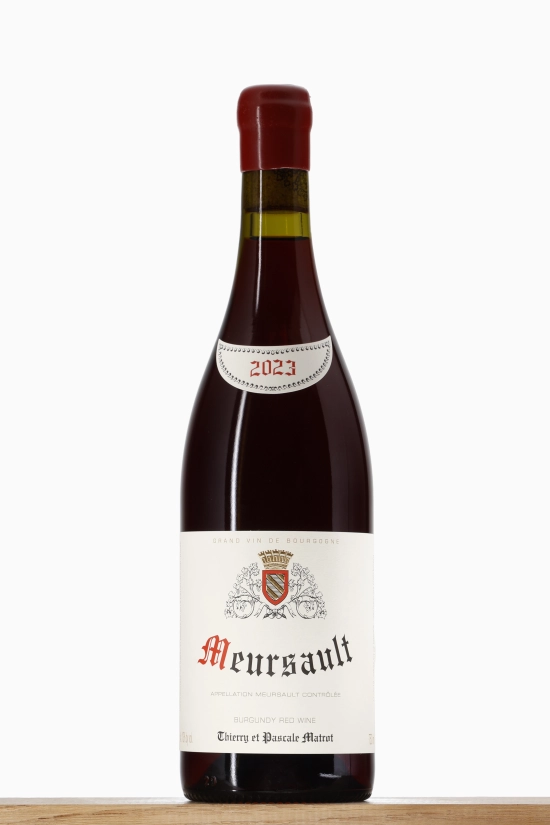
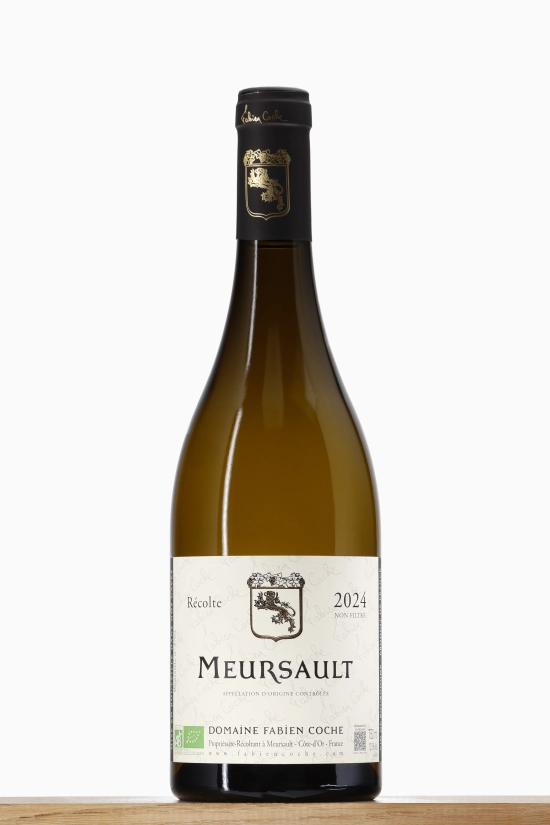
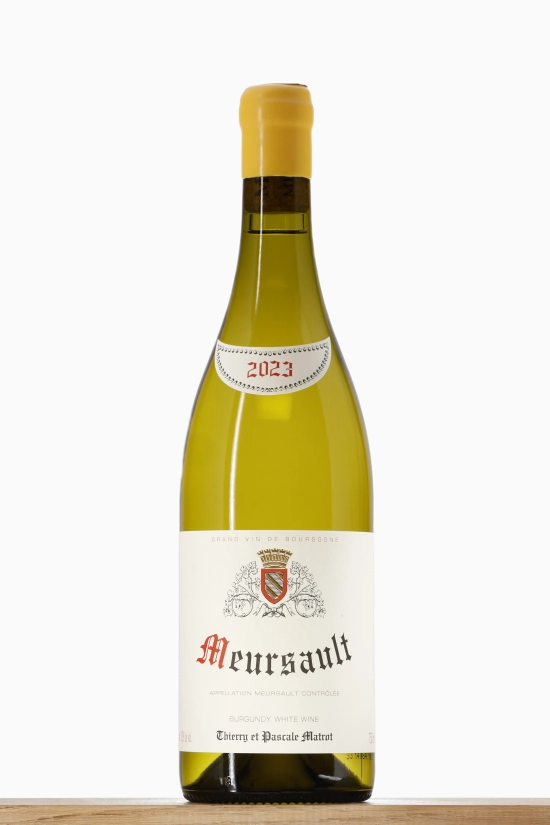
Chardonnay reigns almost alone here. Marl and limestone give broad white wines with an enveloping texture and aromas of hazelnut, fresh butter and white flowers, refined by ageing in barrel. The stonier the soil, the more saline tension the wine gains: Perrières, named after the old quarries, is the clearest example, while Charmes leans towards roundness. The best keep for ten years and more. A small share of Pinot Noir gives supple, fruity reds; those from Santenots, on the border with Volnay, are sold as Volnay premier cru.
Meursault at the table
Young, a Meursault goes well with gougères, snails or a river fish in beurre blanc. Its premiers crus, broader, find their place beside a Bresse chicken with cream and morels or a lobster. With age, it pairs with a 24 month Comté or with wild mushrooms. Serve it at around 12 °C, taken out of the fridge a little beforehand, and a young premier cru is gladly decanted to help it open.