
Alsace
For about a hundred kilometres, from the Bas-Rhin to the Haut-Rhin, the Alsace vineyard stretches along the foot of the Vosges, among forests and flower decked villages.… Read more
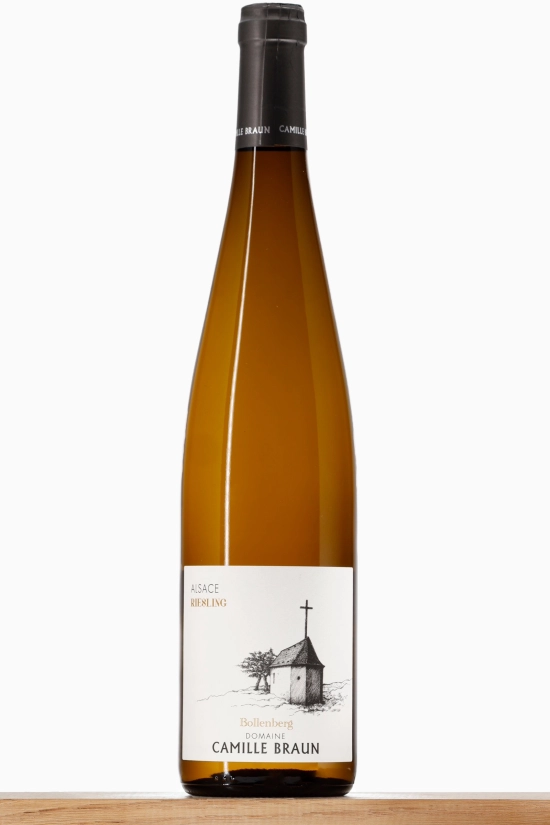
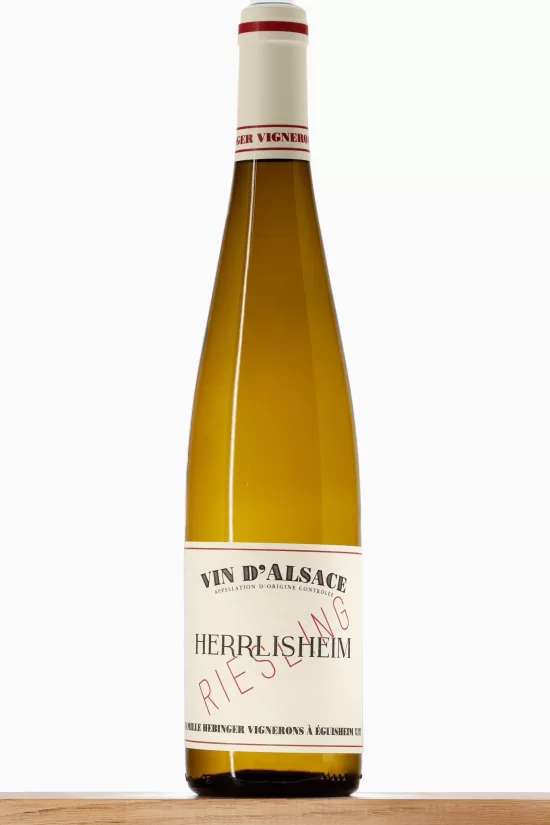

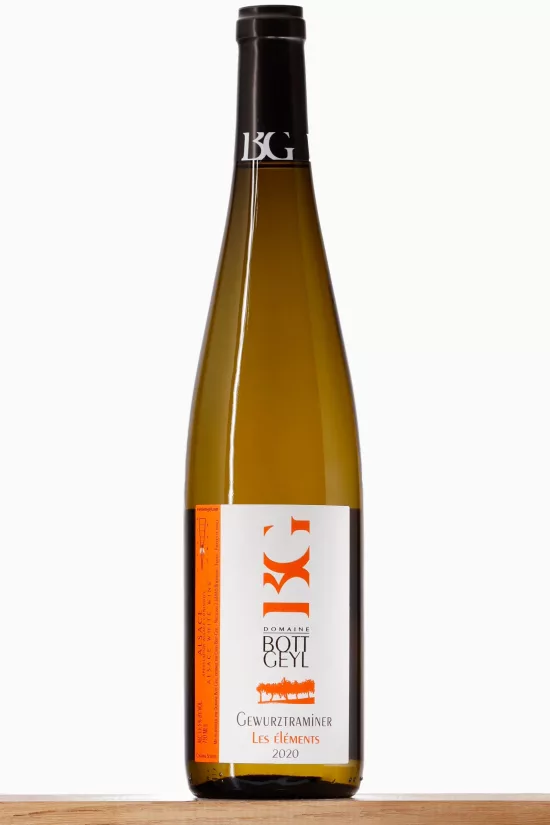
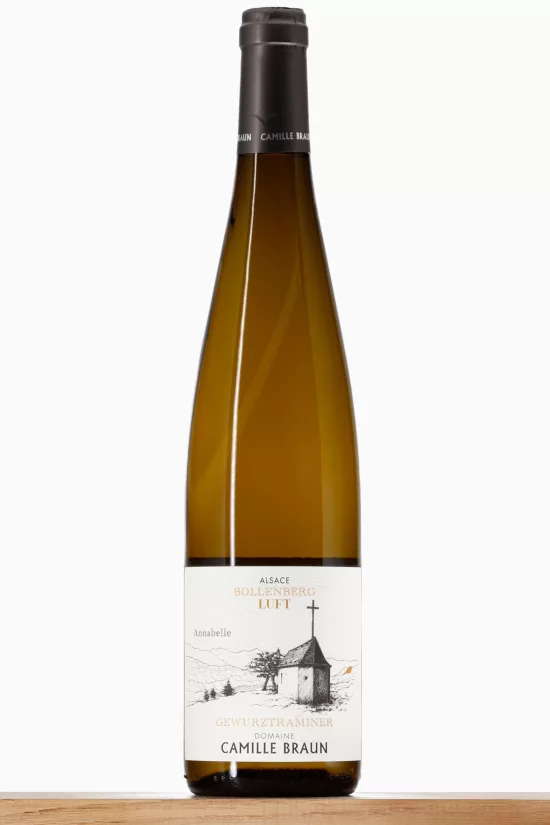



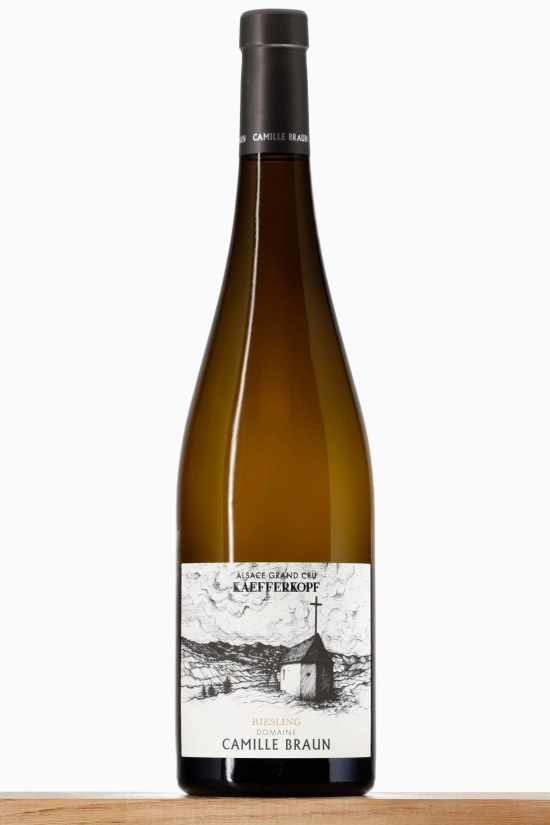

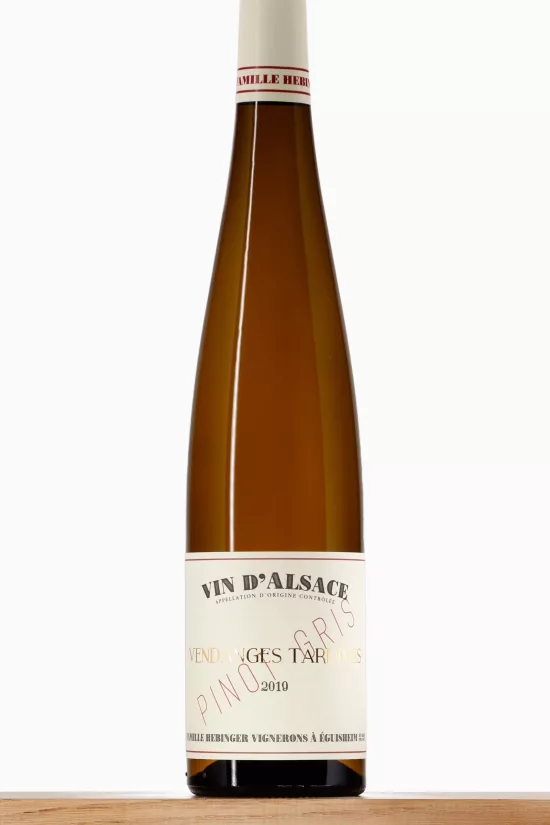
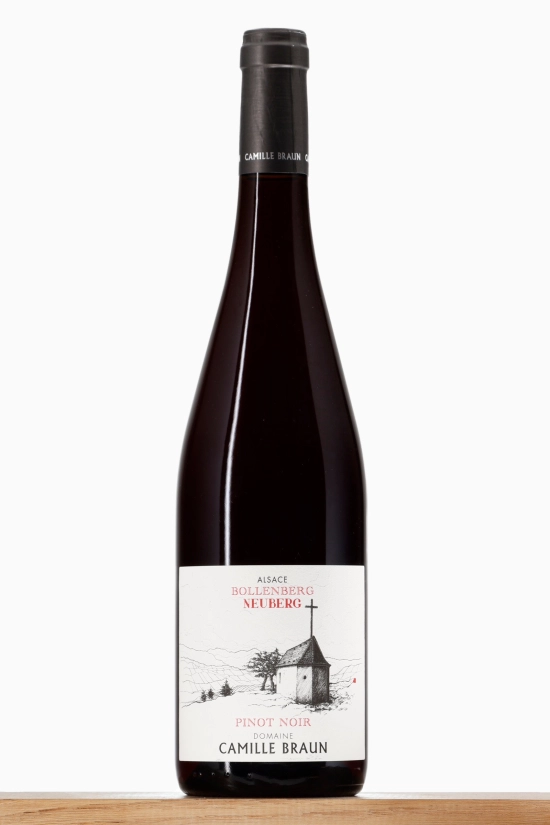

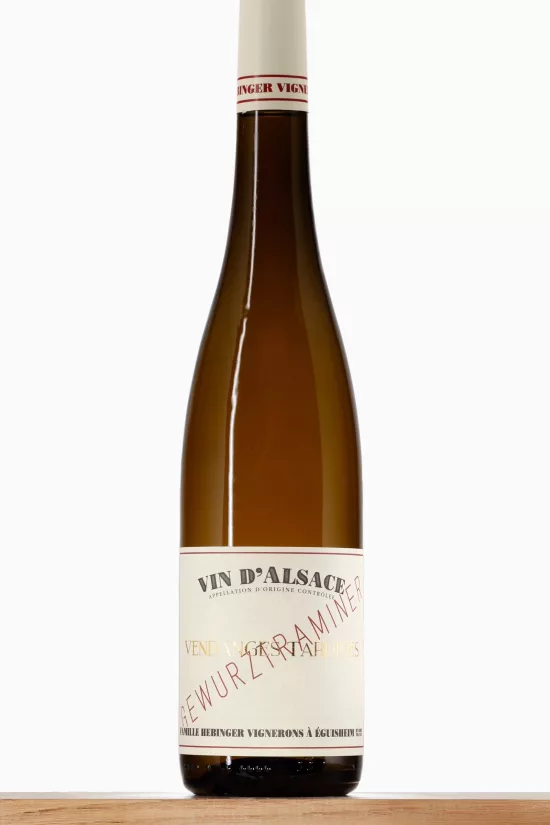
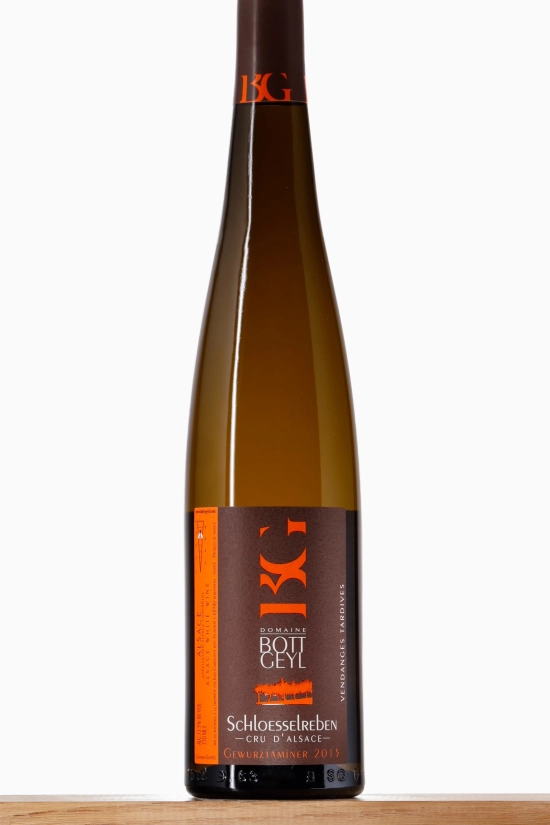

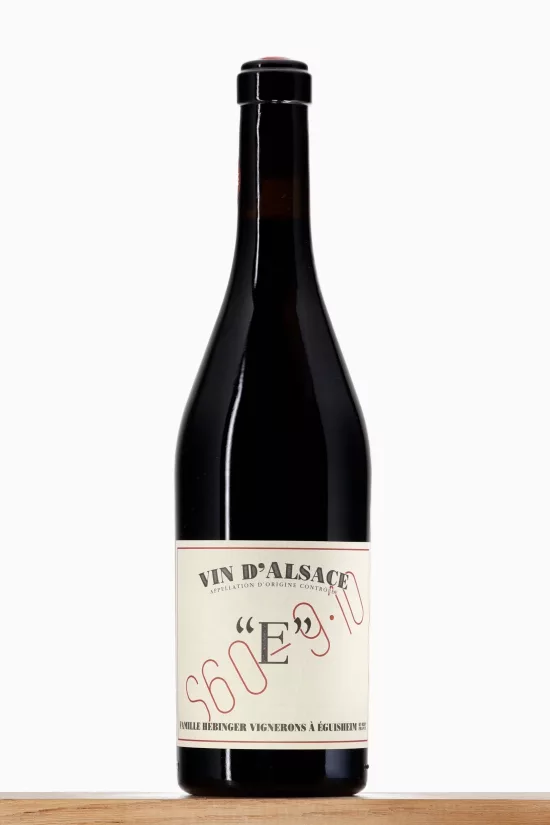
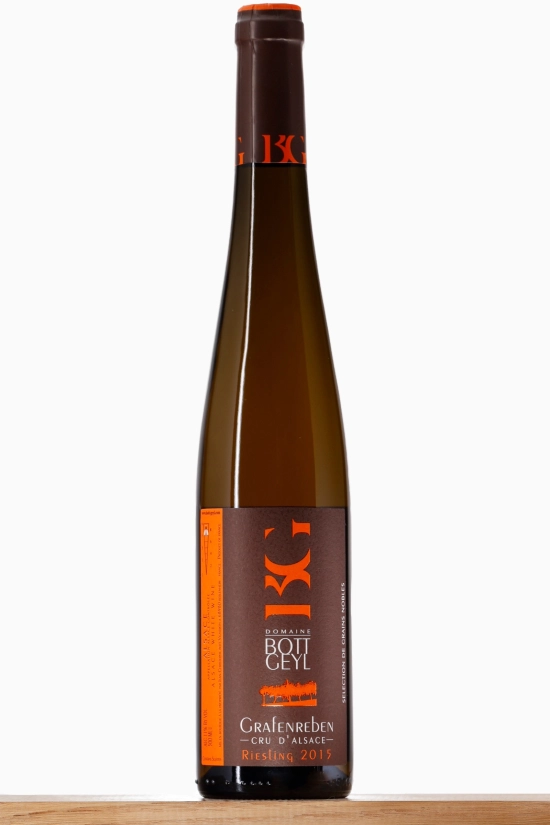
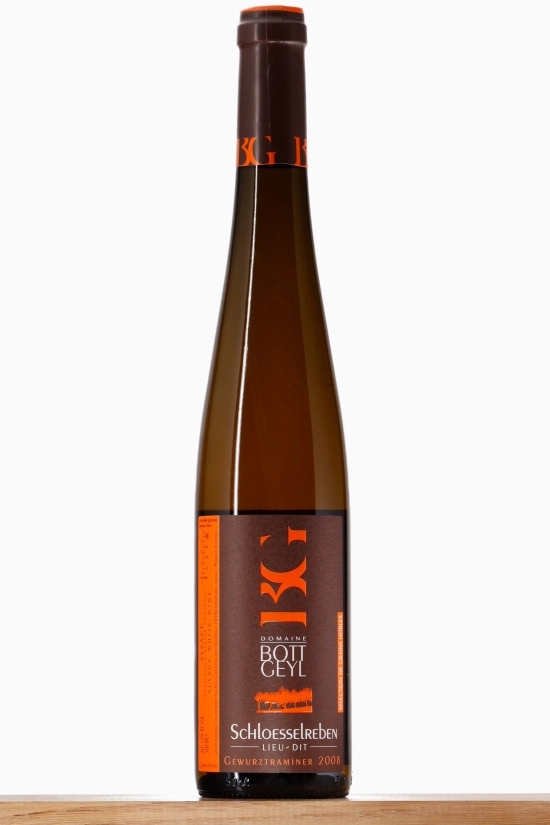

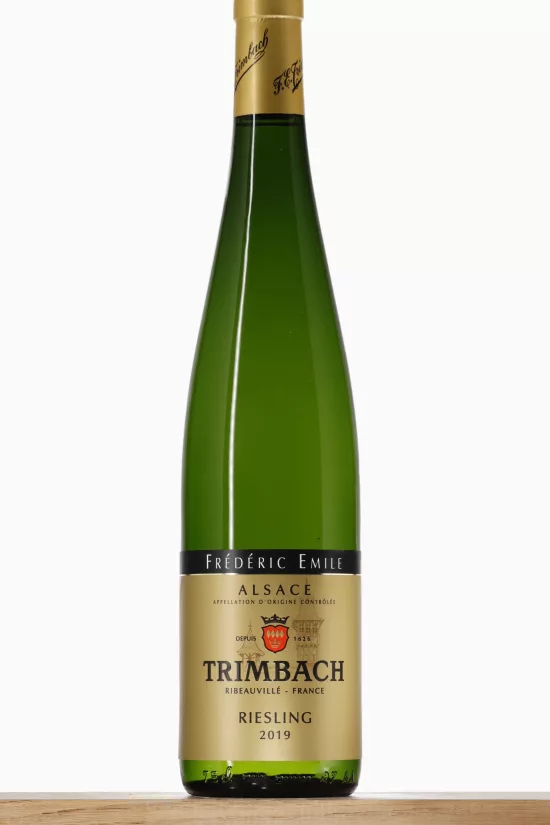

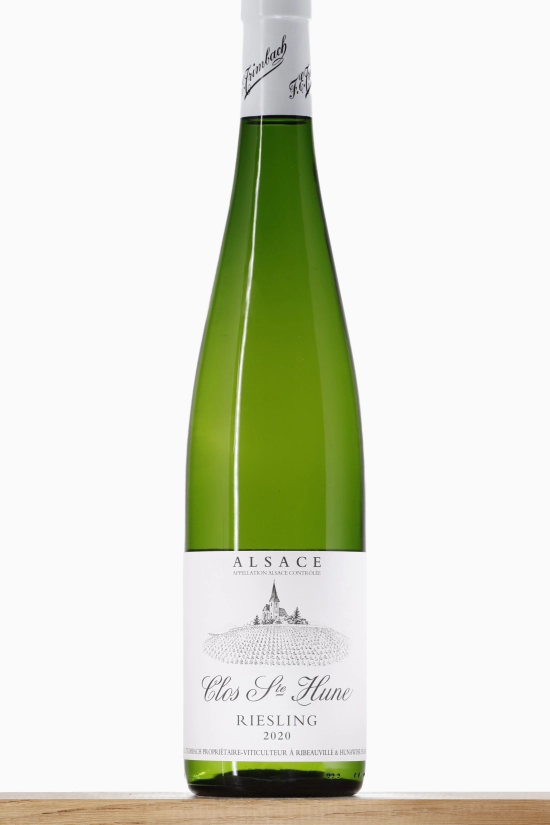
Sold out for now


Filter
Classification
Understanding the classifications
- Grand cru
- The top of the Burgundy hierarchy: an exceptional plot with its own appellation.
Estate
The region and its terroirs
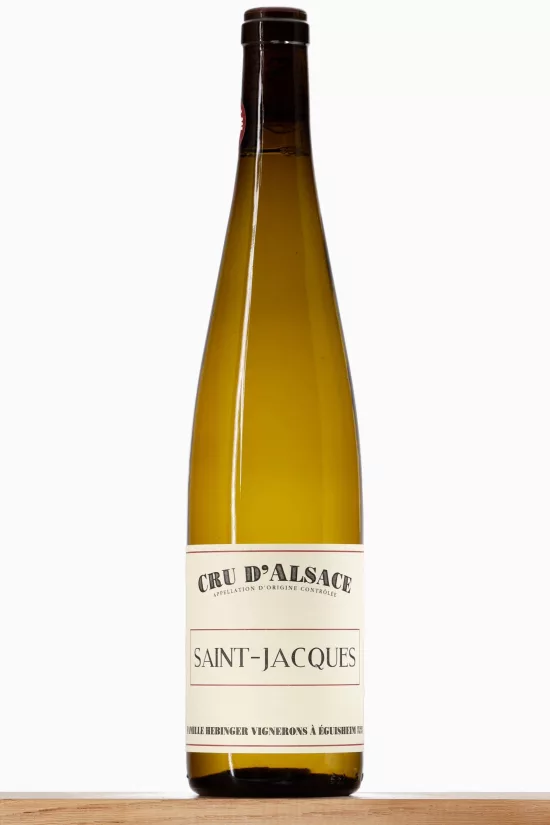
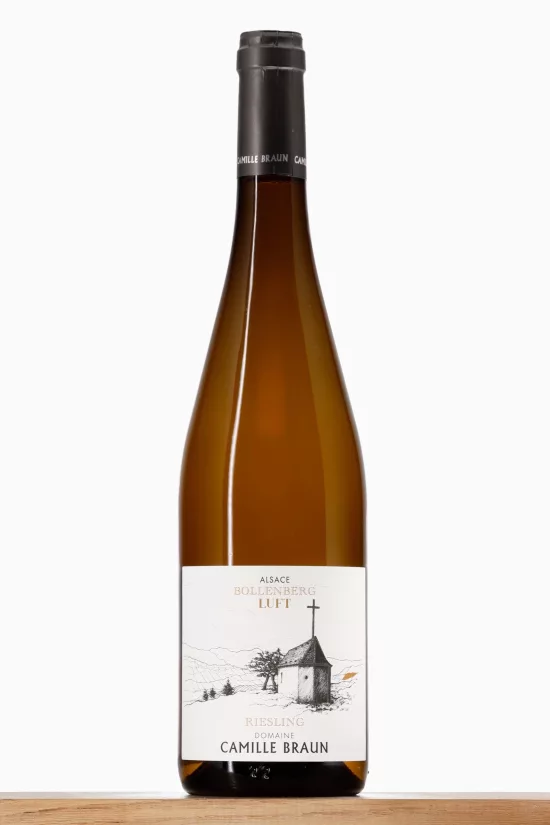
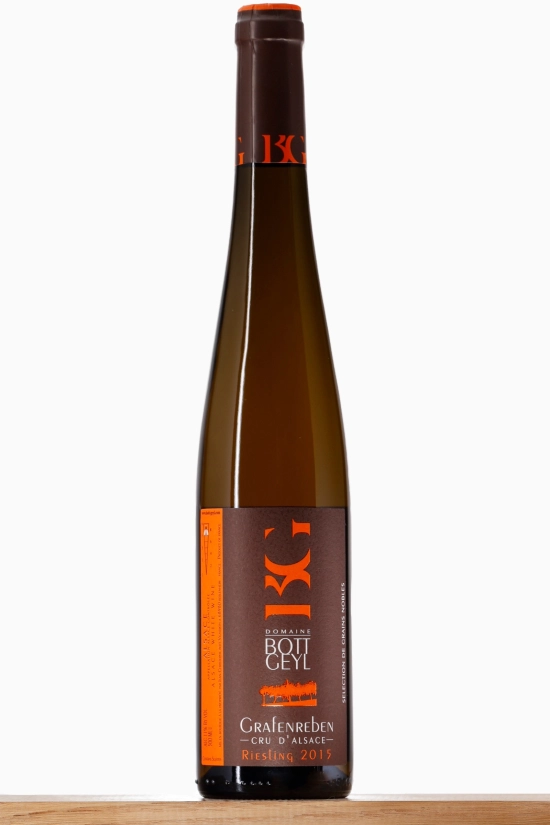
For about a hundred kilometres, from the Bas-Rhin to the Haut-Rhin, the Alsace vineyard stretches along the foot of the Vosges, among forests and flower decked villages. Sheltered from the rain by the mountains, it is one of the driest vineyards in France. The Alsace appellation has a particularity: the grape name almost always appears on the label. It may be followed by the name of a commune or of a named site, and also carries the mentions vendanges tardives and sélection de grains nobles. Granite, sandstone, limestone, schist and marl sometimes follow one another within a few kilometres.
The style of the wines
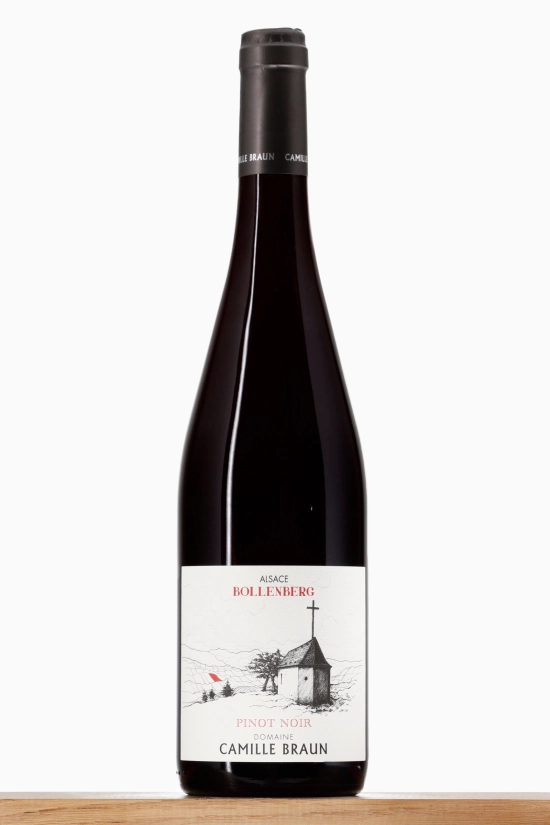
Riesling, king of the region, gives dry, taut whites, with notes of citrus, white flowers and stone. Gewurztraminer is the most aromatic, with rose, lychee and spice. Pinot Gris is broad and smoky, Muscat dry and crisp, Sylvaner and Pinot Blanc fresh and thirst quenching; Edelzwicker blends several grapes. Pinot Noir, the only red grape, has gained depth in recent years.
Alsace at the table
Riesling goes with choucroute, fish with beurre blanc, seafood and onion tart. Gewurztraminer pairs with Munster, spiced cooking and foie gras; Pinot Gris with poultry and mushrooms. Sylvaner and Pinot Blanc suit flammekueche and asparagus. Serve the whites at around 10 °C and Pinot Noir at about 15 °C.